
The Essential Shotgun Selection Guide (2026)
Your no‑nonsense roadmap to picking the right shotgun for home defense, hunting, or breaking clays.
Last Updated: 2026 | Reading Time: About 28 Minutes | Beginner to Advanced
Shotguns are special. A handgun is a tool you carry. A rifle is a tool you aim. But a shotgun? A shotgun becomes part of you. It’s the first gun a lot of us ever fired, maybe a single‑shot .410 on a dove field with your granddad, and it might be the last gun you’d reach for when something goes bump in the night. That versatility is what makes buying your first (or fifth) shotgun so dang rewarding, but it also makes it easy to get lost in the options.
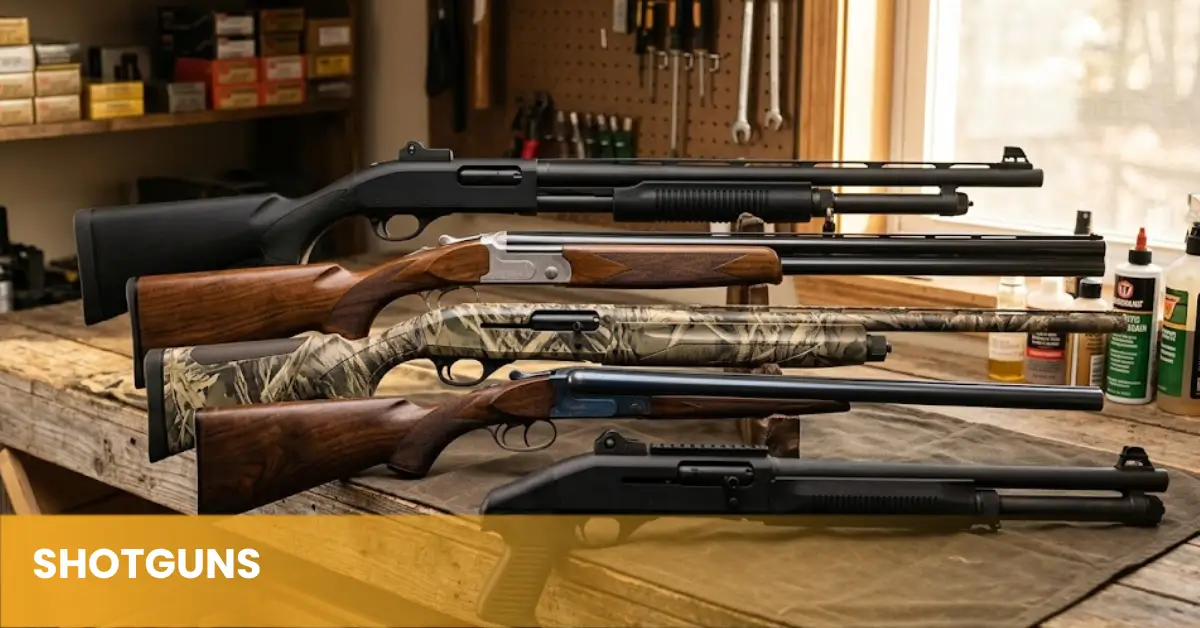
We wrote this guide to be the conversation we’d have with you if you walked into Golden Brothers Co on a quiet Tuesday morning. We’re going to talk straight about gauges, actions, chokes, shells, and budgets. No fancy jargon, you don’t need. Just honest advice from folks who’ve been putting shotguns in the hands of South Georgia hunters, homeowners, and weekend clay busters since 1909.
What We’ll Cover
Chapter 1: Why a Shotgun, Anyway?
Chapter 2: Be Honest, What’s This Gun Really For?
Chapter 3: 12 Gauge vs 20 Gauge (Don’t Overthink This)
Chapter 4: Pump, Semi‑Auto, or Break‑Action?
Chapter 5: Barrel Length, Chokes & the Fit That Makes the Gun
Chapter 6: What Your Budget Actually Buys You
Chapter 7: The Brands We Trust & the Matchups That Matter
Chapter 8: Shotgun Shells, Demystified
Chapter 9: Patterning: The Most Important Step Nobody Tells You About
Chapter 10: Setting Up a Shotgun for Home Defense
Chapter 11: Georgia Waterfowl & Upland, Guns Built for Our Backyard
Chapter 12: Youth Shotguns That Actually Fit (So They Actually Want to Shoot)
Chapter 13: Buying a Shotgun Online, It’s Easier Than You Think
Chapter 14: Storing Your Shotgun the Safe, Smart Way
Chapter 15: Questions We Hear Every Day & Final Thoughts
Chapter 1: Why a Shotgun, Anyway?
Let’s be real: a shotgun is the Swiss Army knife of the gun world. It can be your bedside protector one night, your duck‑blind workhorse the next morning, and your smiling‑ear‑to‑ear clay smasher that same afternoon. A shotgun delivers immediate, authoritative power for home defense, gives you an ethical, effective shot pattern in the field, and just plain feels right when you shoulder it on a crisp fall morning.
At Golden Brothers Co, we stock pump, semi‑auto, and over‑under shotguns from Mossberg, Browning, Rizzini, and a handful of other names we’d bet our own hunts on. Because we know that one good shotgun, picked right, can do it all.
Chapter 2: Be Honest, What’s This Gun Really For?
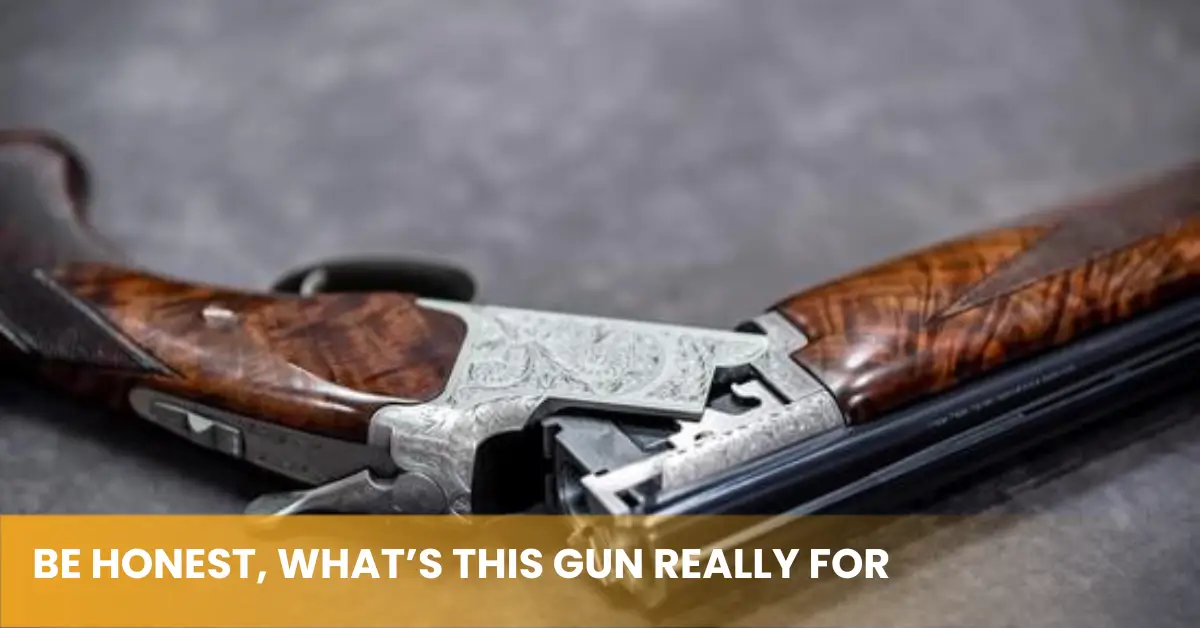
Before you look at a single model, ask yourself the one question that guides every decision after it: What am I actually going to use this shotgun for? A lot of guys walk in thinking they need a tactical home‑defense setup, then realize they’ll be in a deer stand twice a year and want a slug gun instead. That’s fine. Just be honest up front.
Home Defense
If this gun is going to live in the corner of your bedroom or a quick‑access safe in the hall, you want reliability, maneuverability, and a barrel length you can swing in a hallway. Usually, that means an 18.5″ to 20″ pump‑action. It’s simple, it’s affordable, and it goes bang every single time. For the full walkthrough on building the right setup, read our dedicated guide on Tactical Shotgun Setup for Home Defense.
Hunting (Ducks, Doves, Turkeys, Deer)
A hunting shotgun needs to handle the elements, cycle your chosen loads, and shoot where you look. Waterfowlers tend to lean toward semi‑autos because they eat up recoil during a sky‑full‑of‑birds morning, while upland hunters often love a light over‑under or a trusty pump. See our local picks of Best Shotguns for Duck Hunting in Georgia and Best Waterfowl Shotguns in Georgia 2026.
Sporting Clays, Skeet & Trap
Clay shooters live and die by gun fit and smooth swings. Over‑unders rule the clay course, but a solid semi‑auto will absolutely get the job done. Weight is your friend here, it soaks up the punishment of a 100‑round day. If you’re looking for a dedicated clay gun that won’t wreck your walle.
The “Do‑It‑All” Gun
If you want one shotgun to cover home defense, occasional hunting, and recreational shooting, you’re not crazy. You’re just practical. A Mossberg 500 combo with a 28″ field barrel and an 18.5″ security barrel is a classic example of a gun that wears two hats. Is it a dedicated, butter‑smooth clay gun? No. Will it absolutely work for all three roles and last you a lifetime? You bet.
Stevens 320 Security 12 Gauge – $261.08
A no‑frills pump with an 18.5″ barrel, 5+1 capacity, and a pistol grip that makes it easy to handle in tight hallways. If you want a bedside gun that won’t break the bank, this one over‑delivers.
Silver Eagle RZ17 Home Defense 12 Gauge – $232.58
An honest, affordable pump built for one job, protecting your family. Chrome‑lined 18.5″ barrel, black synthetic stock, and a price that leaves room for ammo and training.
Stevens 320 Security 20 Gauge – $261.08
Same reliable platform in a lighter‑kicking 20 gauge. Great for recoil‑sensitive shooters who still want 5+1 rounds of home‑defense capability.
Chapter 3: 12 Gauge vs 20 Gauge (Don’t Overthink This)
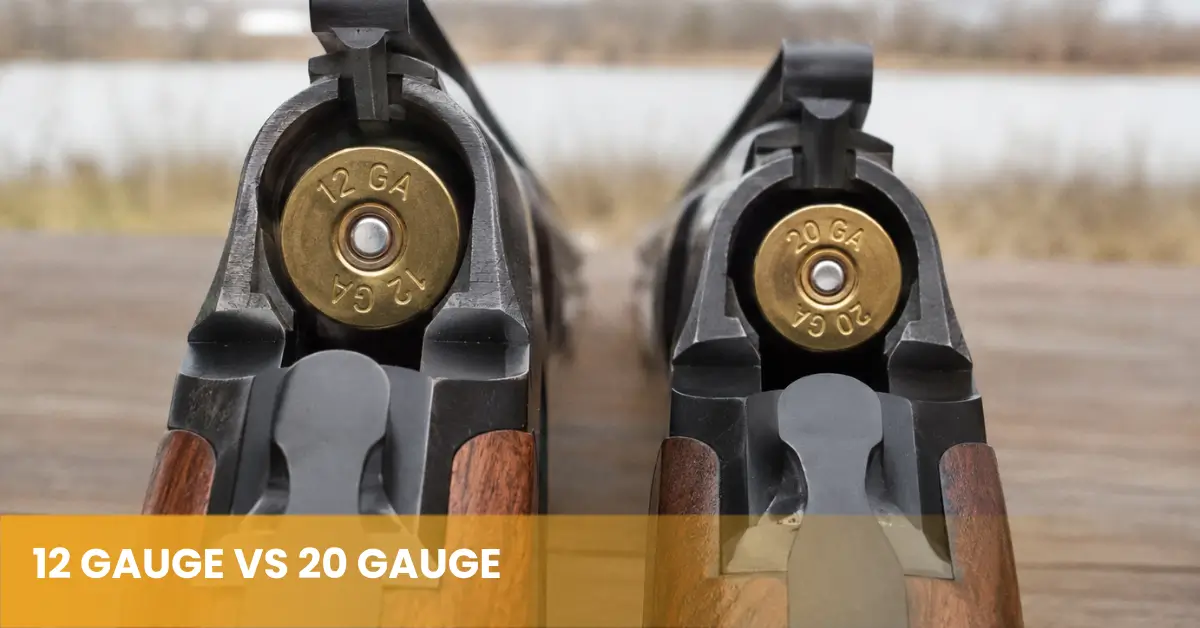
Gauge is just the shotgun world’s way of saying “bore diameter.” A smaller number equals a bigger hole. The choice usually comes down to 12 gauge versus 20 gauge, and we break it all down in our full article on 12 Gauge vs 20 Gauge: Which Should You Buy?.
12 Gauge: The American Classic
The 12-gauge is the most popular shotgun gauge in the country for a reason. It does everything. Light target loads for the range. Heavy magnums for late‑season geese. Buckshot for things that go bump in the night. Slugs for big woods deer hunting. Ammo is everywhere, and it’s reasonably priced. The trade‑off is recoil, 12-gauge magnum loads kick hard. But for most adults, a 12-gauge is the right starting point, period.
20 Gauge: Lighter, Softer, Still Deadly Serious
A 20-gauge is a joy to carry and a pleasure to shoot. It kicks noticeably less, and modern defensive and hunting loads have closed the performance gap significantly. A lot of youth hunters, smaller‑statured shooters, and folks who just don’t enjoy getting walloped by recoil find their forever shotgun in a 20 gauge. If you’re shopping for a young hunter or a recoil‑sensitive shooter, pair this with our Best Youth Shotguns guide.
.410 Bore: A Specialized Little Number
We love a .410, but it’s a specialist’s tool, not a beginner’s gun. The light payload and thin pattern make hitting moving targets genuinely hard. It shines for pest control, small‑game hunting, and teaching a very young shooter the basics. For almost everyone else, .410 is a second shotgun down the road, not the one you start with.
Maverick 88 All‑Purpose 12 Gauge – $277.57
The everyman’s workhorse. 28″ vent‑rib barrel, 3″ chamber, 5+1 capacity, and a reputation for running no matter what you feed it. The perfect entry to the 12‑gauge world.
TriStar Viper G2 Compact 20 Gauge – $680.39
A soft‑shooting semi‑auto that proves the 20 gauge is dead‑serious medicine. Compact dimensions, 3″ chamber, and Beretta/Benelli‑pattern chokes.
Chapter 4: Pump, Semi‑Auto, or Break‑Action?
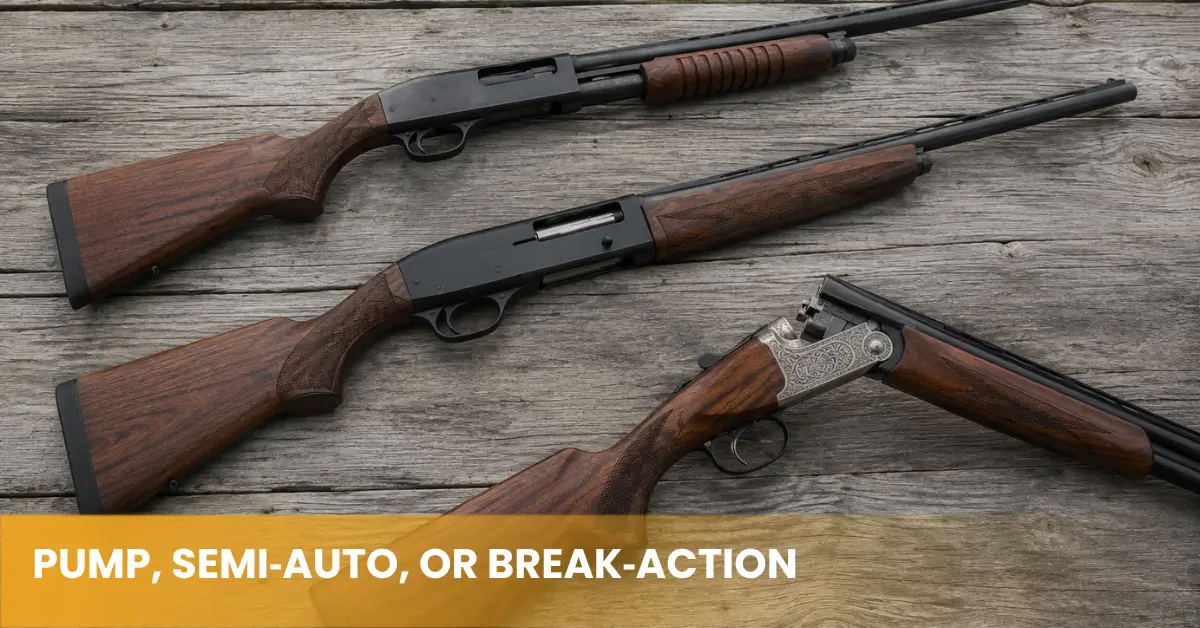
This is where personality meets practicality. Each action type has a loyal following, and they’re all right for different people.
Pump‑Action Shotguns
A pump‑action is a manual, slide‑the‑forend kind of deal. It’s the workhorse. Pumps are mechanically dead simple, famously reliable, and almost always the most affordable option. They’ll cycle anything from feather‑light target loads to big‑boy magnums without a hiccup. The catch? You have to work that forearm between every shot. Under stress, you’ll default to your training, so practice is non‑negotiable.
Our guide to the Best Pump Action Shotguns Under $400 2026 is proof that you can get a stone‑cold, reliable pump without emptying your wallet.
Maverick 88 Slug 12 Gauge – $307.07
A 24″ fully‑rifled barrel turns this pump into a big‑woods deer gun. Same 88 toughness, now ready for sabot slugs.
Winchester SXP Turkey 12 Gauge – $432.93
Pump‑action reliability with a 24″ barrel, 3.5″ chamber, and a textured grip that stays planted when that longbeard steps into view.
Semi‑Automatic Shotguns
Semi‑autos do the cycling for you. One pull, one bang, one fresh shell in the chamber, ready to go again. They’re softer‑shooting (the action eats some of the recoil), faster on follow‑up shots, and beloved by waterfowlers and clay shooters alike. Modern gas and inertia‑driven guns are super reliable, but you’ll pay more up front. For hunters who want speed and comfort, see our picks for the Best Semi-Auto Shotguns for Hunting 2026.
TriStar Viper G2 12 Gauge – $661.32
A gas‑operated semi‑auto that cycles everything from light target loads to magnum waterfowl shells. 28″ barrel, black synthetic stock, and Benelli‑pattern chokes.
Retay Gordion Waterfowl 12 Gauge – $729.00
Inertia‑driven so it stays cleaner longer—exactly what you want during a muddy morning in the blind. Matte black finish and 26″ deep‑bore barrel.
Mossberg 935 Waterfowl 12 Gauge – $799.19
Built for the marsh. 28″ barrel, 3.5″ chamber, Mossy Oak Shadow Grass Blades camo, and fiber‑optic sights that pick up early light fast.
Mossberg 935 Magnum Turkey 12 Gauge – $931.02
A 22″ barrel, Mossy Oak Obsession camo, and an X‑Factor choke that throws patterns dense enough to anchor the wariest gobbler.
Break‑Action (Over‑Under & Side‑by‑Side)
There’s something about breaking open a shotgun, dropping in two shells, and snapping it closed that just feels right. Over‑unders (stacked barrels) and side‑by‑sides (horizontal barrels) are mechanically simple and elegantly safe. When the action is open, everybody knows the gun can’t fire. You can also run two different choke tubes. Quality break-action costs more to build, but the entry‑level options today are better than ever. Our Best Over Under Shotguns Under $1000 guide will get you started.
Stevens 301 Single‑Shot 12 Gauge – $250.79
Break‑open simplicity at its most affordable. A 26″ barrel, matte black finish, and a price that makes it an ideal truck gun or first firearm for a new shooter.
TriStar Setter S/T 20 Gauge – $661.32
An over‑under with an engraved silver receiver and Turkish walnut stock that looks far more expensive than it is. 26″ barrels, 3″ chambers, and five chokes included.
ATI Cavalry SVE 20 Gauge Over‑Under – $589.76
Silver engraved receiver, oiled Turkish walnut, 26″ barrels, ejectors, and five choke tubes. A genuine over‑under experience for well under a grand.
Stevens 555 12 Gauge Over‑Under – $801.22
Satin black aluminum receiver, Turkish walnut stock, 28″ vent‑rib barrels, and a balanced feel that makes it a pleasure on the clays course.
Stevens 555 Trap 12 Gauge – $801.22
A 30″ barrel, adjustable comb, and single‑shot break‑action built for the trap field. Ambidextrous design and Turkish walnut furniture.
CZ Redhead Premier 20 Gauge – $1,123.36
Gloss black chrome barrels, satin chrome receiver, Turkish walnut, and five chokes. A legitimate all‑around over‑under for the serious hunter.
Weatherby Orion Sporting 12 Gauge – $1,293.36
Gloss black ported barrels, adjustable comb, and the classic Weatherby pedigree. 30″ barrels soak up recoil during long sporting‑clays sessions.
Browning Citori CXT White 12 Gauge – $2,559.99
32″ ported barrels, silver nitride receiver, Monte Carlo walnut stock, and Invector‑Plus Midas chokes. This is the over‑under you pass down to your grandkids.
Browning Citori CX Micro 12 Gauge – $2,629.99
All the Citori craftsmanship in a compact stock with adjustable length‑of‑pull—ideal for smaller‑statured shooters who refuse to compromise on quality.
Chapter 5: Barrel Length, Chokes & the Fit That Makes the Gun
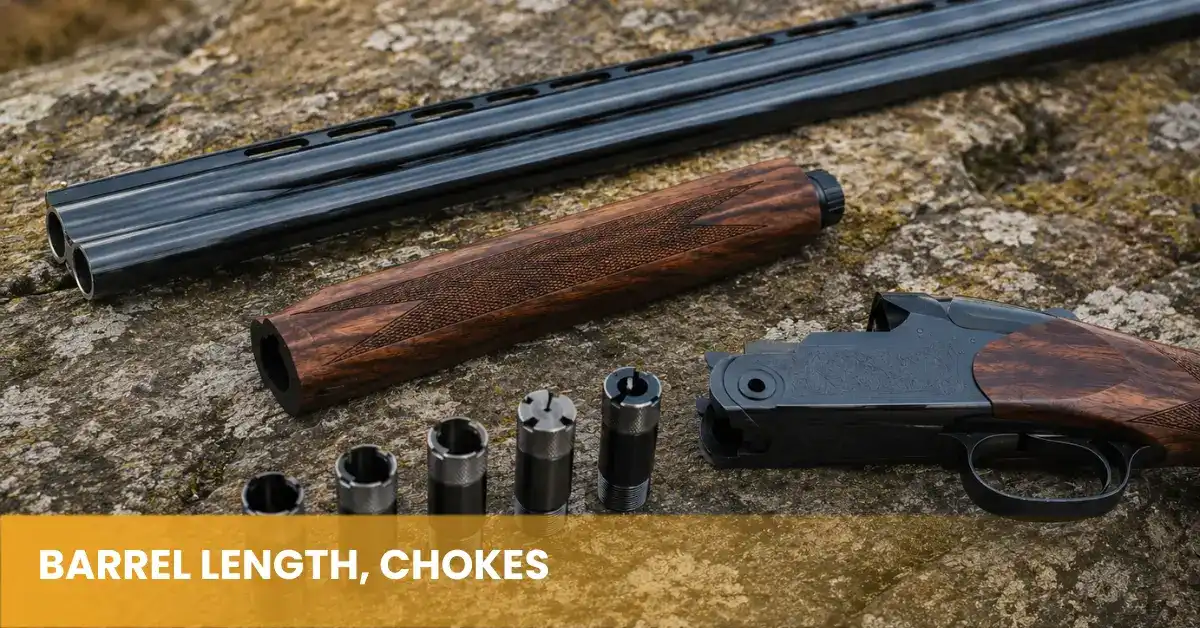
You’ve picked your gauge and action. Now let’s talk about the three things that decide whether you actually hit anything.
Barrel Length in Plain English
- 18.5″–20″: Home defense. Short, handy, won’t snag on door frames.
- 24″–26″: Great all‑around length for upland hunting and quick handling.
- 28″: The standard. Works for just about everything.
- 30″–32″: Smooth‑swinging clay crushers and long‑range waterfowl guns.
Chokes: You Gotta Know This
A choke is a constriction at the end of the barrel that controls how fast your shot pattern opens up. Changing chokes changes your effective range. We have a whole guide on How to Choose Shotgun Choke for Bird Hunting. Here’s the cheat sheet:
| Choke | What It Does | Use It For |
| Cylinder | No constriction, wide open pattern | Home defense, close‑range slugs |
| Improved Cylinder | Light constriction | Upland birds, close decoying ducks |
| Modified | Moderate constriction | All‑around hunting, sporting clays |
| Full | Tight constriction | Turkey, reaching out for wary geese |
Most modern shotguns come with screw‑in choke tubes, so you can swap them out in seconds.
Fit Is Everything
A shotgun has to fit you like a good pair of boots. When you mount the gun, your cheek should rest naturally on the stock, and your eye should be looking straight down the rib. If you’re fighting the gun, you’re going to miss. A lot. Many new shotguns come with stock shims and spacers so you can dial in the fit. If you can, shoulder a few different models before you buy. It makes all the difference.
Chapter 6: What Your Budget Actually Buys You

Shotgun pricing in 2026 is straightforward, and honest value exists at every level.
250–400: Rock‑Solid, No‑Frills Pumps
You’re in Mossberg Maverick 88 and Mossberg 500 territory here. These guns are not fancy. They are, however, absurdly reliable, backed by a giant aftermarket, and perfectly capable of decades of service. If you need a gun that works and you don’t need to impress anyone at the range, start here.
Rock Island Meriva 3‑in‑1 Combo 12 Gauge – $294.24
One receiver, two barrels (18.5″ and 28″), and a whole lot of versatility for under three bills. Pump‑action reliability that covers home defense and the field.
400–700: The Sweet Spot Where Things Get Nice
Here you’ll find the higher‑end pumps (Mossberg 590, Remington 870), entry‑level semi‑autos, and Turkish‑built over‑unders. You’re getting better triggers, nicer finishes, and more refined ergonomics. The Mossberg 500 versus 590 decision lives right here. We settled it in Mossberg 500 vs 590: Which Shotgun Is Better? And if you’re wondering whether the classic Remington 870 still earns its keep, we tackled that too: Remington 870 Review 2026: Still Worth Buying?.
700–1,000+: Heirloom‑Quality Semi‑Autos & Over‑Unders
Now you’re buying a gun you’ll pass down. Benelli inertia guns, quality Italian over‑unders like Rizzini, and battle‑proven premium pumps. We put two heavy hitters head‑to‑head in Benelli Nova vs Mossberg 500: Which Wins?.
Chapter 7: The Brands We Trust & the Matchups That Matter
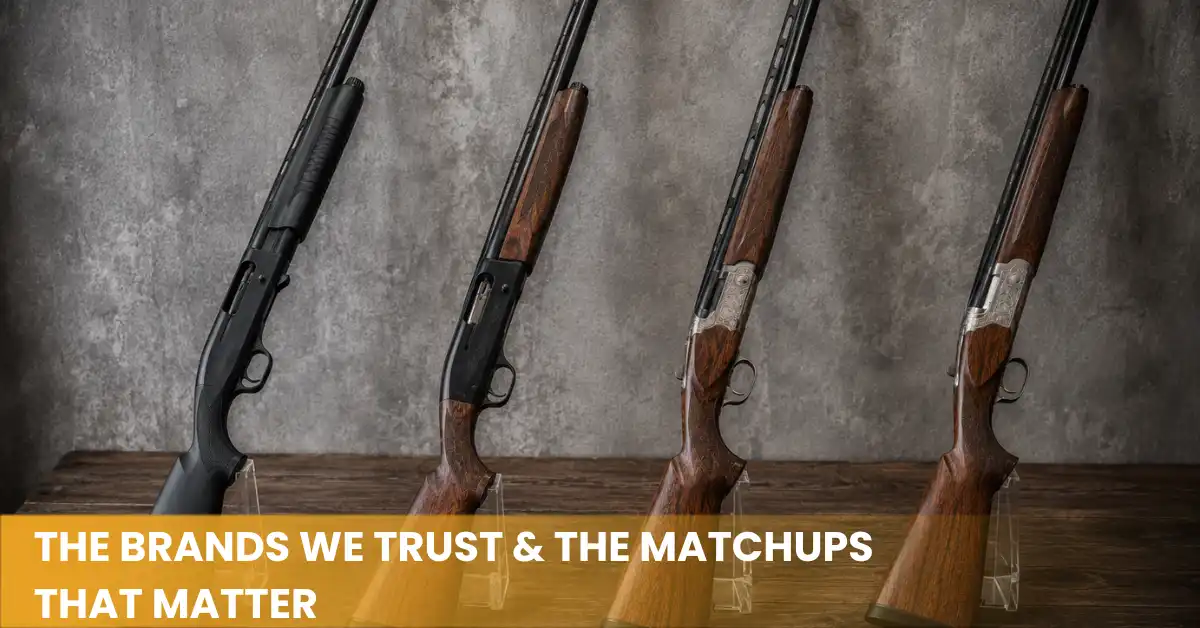
We stock the brands that have earned their place in South Georgia duck blinds and dove fields.
Mossberg
Mossberg is the American pump‑gun king. The 500 and 590 series are legendary for a reason: they just run. The 590A1 is the only pump to pass U.S. military torture tests.
Remington
The 870 is the best‑selling shotgun in history. It’s been through some rough patches as a company, but current production is solid. Our Remington 870 Review 2026 gives you the straight story.
Benelli
Benelli builds premium Italian shotguns with inertia‑driven systems that stay clean longer. The Benelli Nova pump goes toe‑to‑toe with the American classics. See the showdown: Benelli Nova vs Mossberg 500.
Browning
Browning over‑unders and semi‑autos, the Citori, the A5, are built like bank vaults and carry a lifetime of pride. They cost more, and they’re worth it.
Rizzini
Rizzini is our pick for an Italian over‑under that delivers exceptional quality without the sky‑high price tag of some of its neighbors. We proudly stock them at the shop.
Chapter 8: Shotgun Shells, Demystified
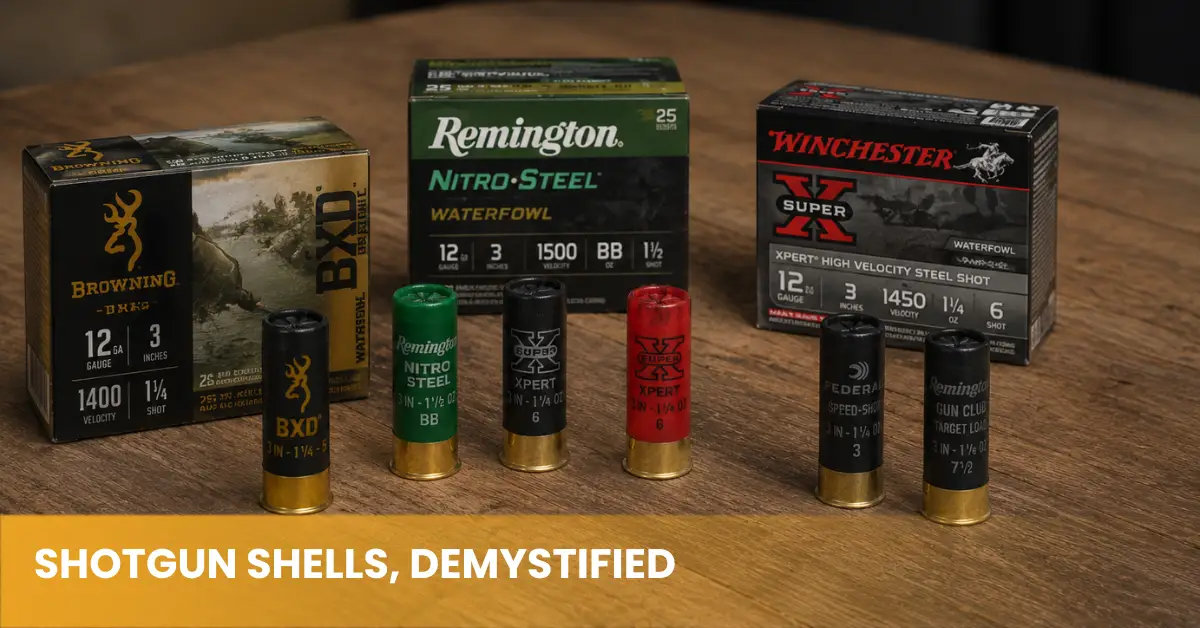
The shell aisle can feel intimidating. Don’t let it. Our full guide Shotgun Shell Types Shot walks you through everything. But here’s what you need to know right now:
- Birdshot: Tiny pellets for clays and doves. Not for home defense.
- Buckshot: Big pellets for bad situations. 00 buck (nine .33‑caliber balls) is the gold standard for home protection.
- Slugs: One big chunk of lead for deer hunting or when you absolutely, positively need deep penetration.
- Turkey Loads: Dense patterns of larger shot, screaming out of the barrel fast enough to anchor a longbeard.
Always check your shotgun’s chamber length (2.75″, 3″, or 3.5″) before buying shells. We carry a full selection of Shotgun Ammo, so you’ll never run dry.
Hornady Black 12 Gauge 00 Buck – $16.24 (10‑round box)
The gold standard for home defense. Nine .33‑caliber pellets per shell, consistent patterns, and Hornady’s trusted quality control.
Hornady American Gunner 12 Gauge 00 Buck – $14.12 (10‑round box)
An affordable 00 buck option that patterns reliably. Stock up for training and the bedside gun.
Hornady American Gunner 12 Gauge Rifled Slug – $10.74 (5‑round box)
A 1‑ounce slug that turns your smoothbore into a big‑game tool. Ideal for deer hunting in straight‑wall cartridge states.
Federal Premium TruBall 12 Gauge Rifled Slug – $6.88 (5‑round box)
Deep penetration, consistent accuracy, and a price that won’t make you wince at the range.
Federal Premium 12 Gauge 3″ 00 Buck – $12.08 (5‑round box)
Twelve pellets of 00 buck per shell for when you want maximum payload. A devastating waterfowl or predator load.
Hornady SST 12 Gauge FTX Slug – $15.62 (5‑round box)
Sabot slug technology for rifled barrels. Flatter trajectory and more retained energy downrange.
Chapter 9: Patterning, The Step Nobody Skips Twice
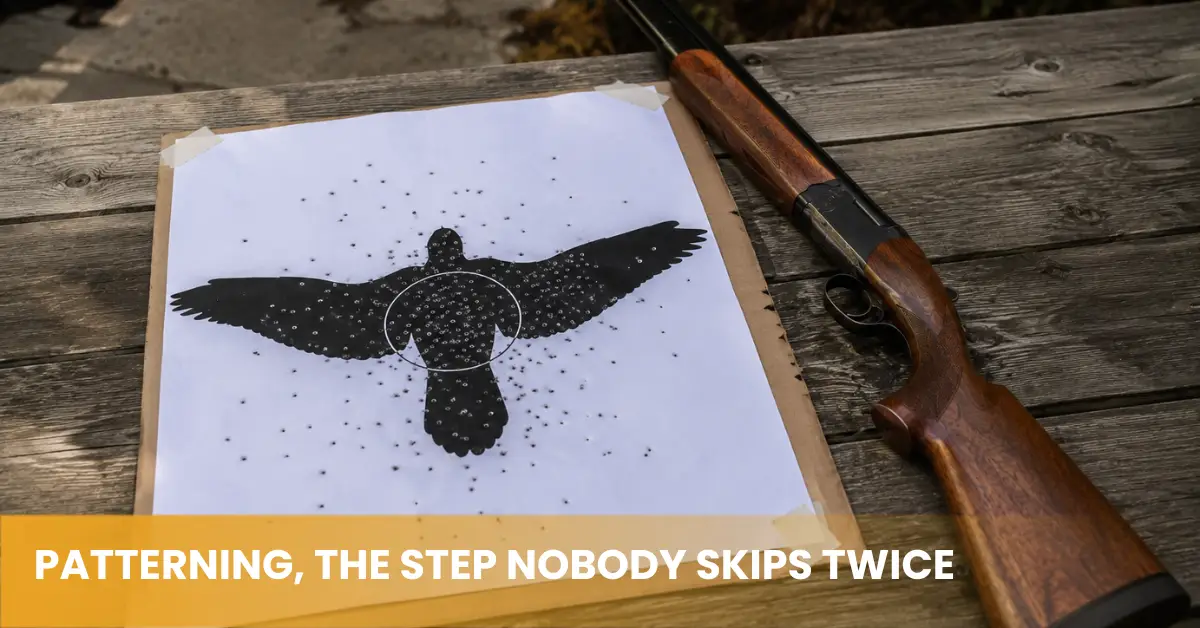
You bought the gun. You picked a choke. You grabbed a box of shells. Are you done? Not even close. You need to pattern that shotgun. Patterning is just shooting a big paper target at a known distance and counting where the pellets land. It tells you the truth about what your gun is actually doing.
Our full walkthrough lives at How to Pattern a Shotgun for Hunting. The short version:
- Hang a big piece of paper (at least 30″x30″) at the distance you plan to shoot, usually 25–40 yards for hunting.
- Fire one shell at the center with the choke and ammo you plan to use in the field.
- Draw a 30″ circle around the densest part of the pattern.
- Count pellets inside that circle. Does it give you a clean, ethical kill?
- If not, change your choke, try different ammo, or adjust your distance.
Patterning is the difference between a clean harvest and a wounded bird you can’t find. Don’t skip it.
Chapter 10: Setting Up a Shotgun for Home Defense
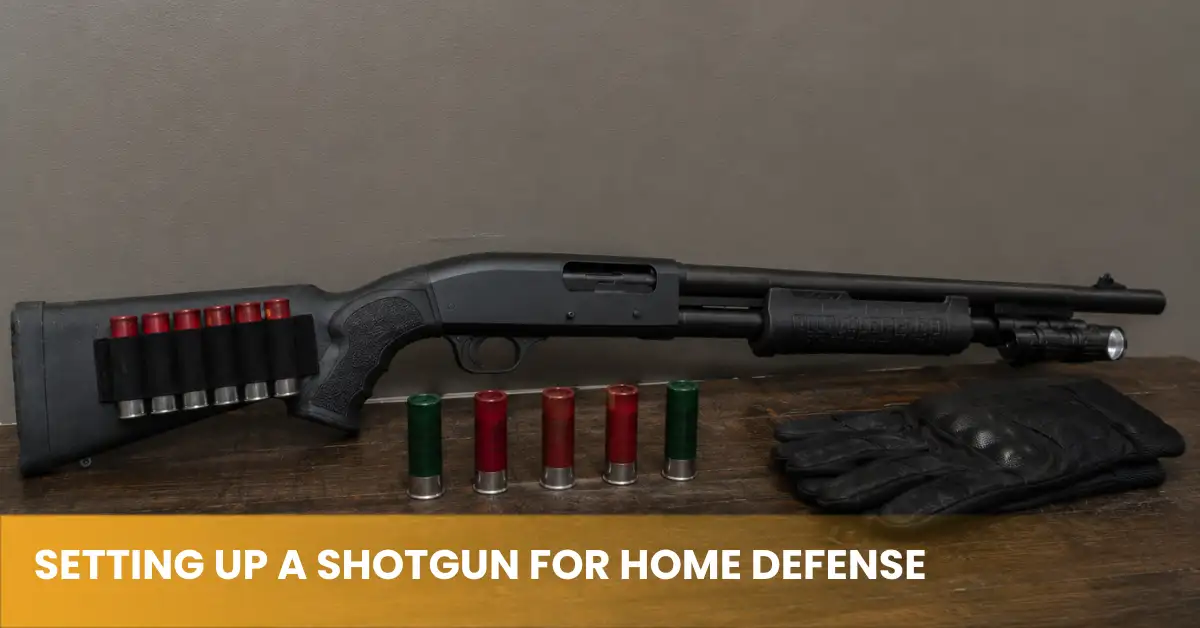
A home‑defense shotgun isn’t just a hunting gun with a shorter barrel; it’s a system. Our full guide, Tactical Shotgun Setup for Home Defense, gets into every detail. Here are the non‑negotiables:
- Barrel length: 18.5″ to 20″, so you can move around corners.
- Light: Put a weapon light on it. You have to identify your target. Period.
- Sights: A simple front bead works, but ghost‑ring sights or a micro red dot are faster when your heart is pounding.
- Ammo: 00 buckshot. Not birdshot, not target loads. Buckshot.
- Storage: Quick‑access safe or locking wall mount. Accessible to you, impossible for kids or unauthorized hands.
Remember: a shotgun doesn’t magically make you safe. Training makes you safe. Practice mounting it, cycling it, and getting on target from a dead sleep.
Chapter 11: Georgia Waterfowl & Upland, Guns Built for Our Backyard
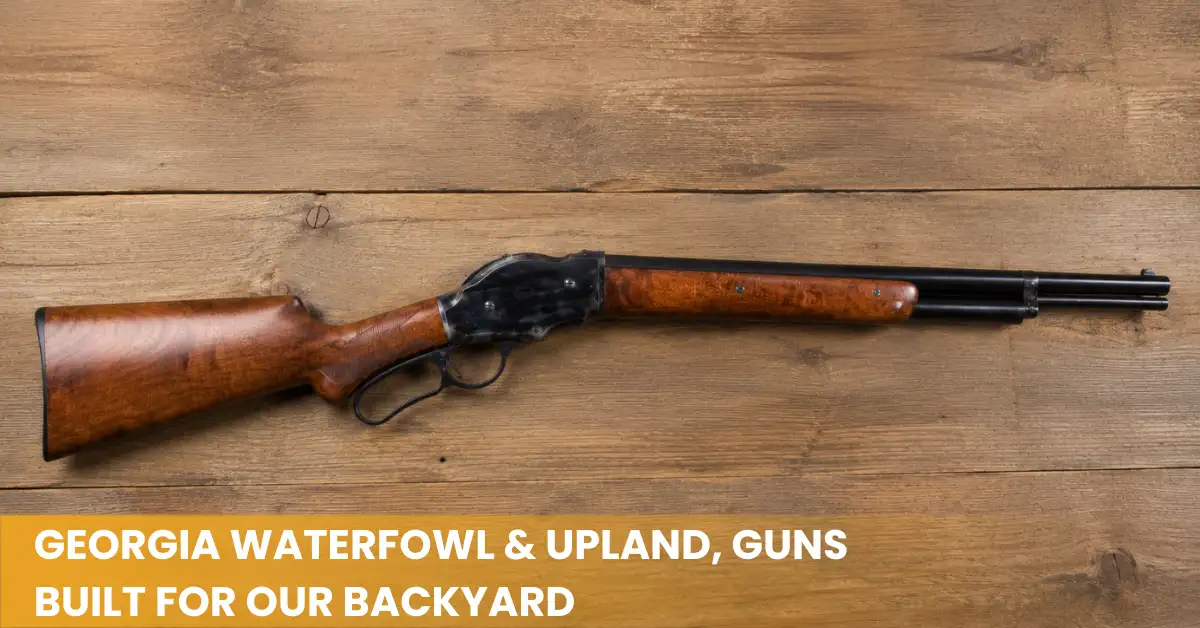
We’re in South Georgia, so we know the humidity, the mud, the flooded timber, and the late‑season wary mallards. Your shotgun has to handle real conditions. Our guides to the Best Waterfowl Shotguns in Georgia 2026 and Best Shotguns for Duck Hunting in Georgia spell out the local favorites.
Generally, Georgia waterfowlers lean toward:
- Synthetic stocks and rust‑resistant finishes, because wet mornings and salt marshes are facts of life.
- 3″ or 3.5″ chambers, for reaching out and touching high geese or tough late‑season ducks.
- Semi‑auto actions are softer on your shoulder during a limit‑filling morning and quick on doubles.
TriStar Viper G2 Turkey 12 Gauge – $794.85
Mossy Oak Bottomland camo, bronze Cerakote receiver, pistol grip, and four MobilChokes. Built for the South Georgia hunter who chases turkeys in the morning and hogs in the evening.
Savage Renegauge Turkey 12 Gauge – $1,096.22
Gas‑operated semi‑auto with Mossy Oak Obsession camo, adjustable stock, and 24″ barrel. A premium option for the hunter who wants fast follow‑up shots on big, wary toms.
Chapter 12: Youth Shotguns That Actually Fit (So They Actually Want to Shoot)
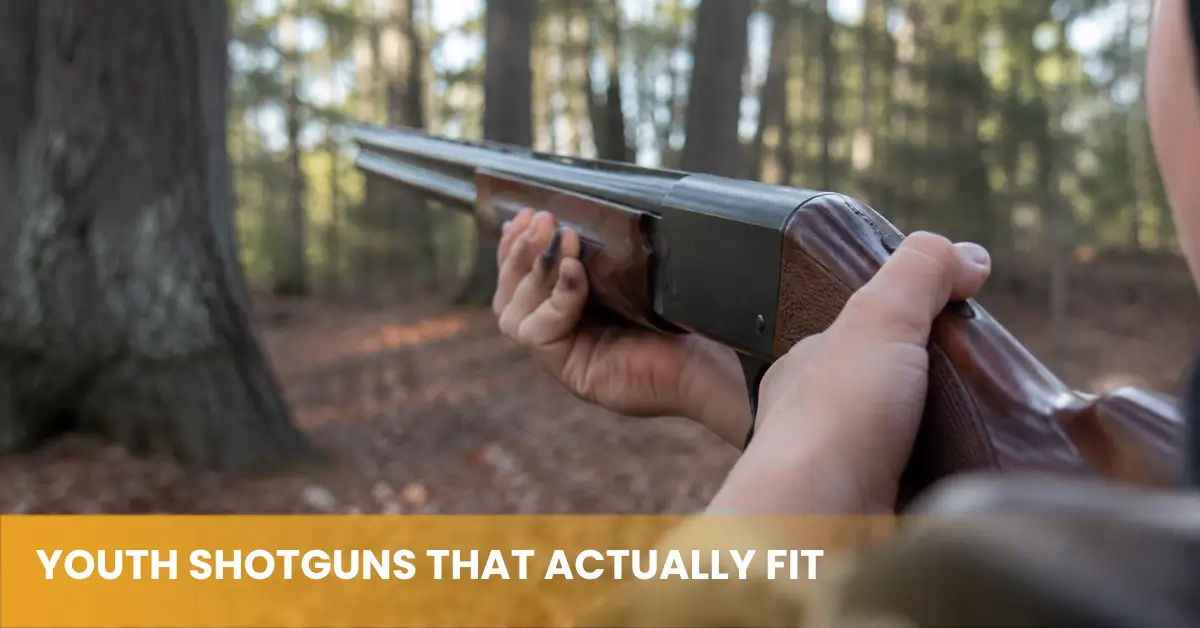
Hand a kid a shotgun that’s too long and too heavy, and they’ll miss, get hammered by recoil, and probably decide they’d rather stay inside. A proper youth shotgun has a shorter length‑of‑pull (distance from trigger to butt pad), a shorter barrel, and a manageable weight. Our Best Youth Shotguns guide has the top picks for 2026.
A few rules of thumb:
- Gauge: 20 gauge is the sweet spot for most young hunters. .410 is tempting for low recoil, but makes hitting stuff frustratingly hard.
- Fit: The shooter has to be able to reach the trigger comfortably and support the gun. Adjustable stocks are a gift.
- Ammo: Low‑recoil or managed‑recoil shells turn a brutal introduction into a fun one.
Mossberg 510 Super Bantam Youth 20 Gauge – $460.57
A youth pump done right. 18.5″ vent‑rib barrel, adjustable length‑of‑pull spacers so the gun grows with your young shooter, EZ‑Reach forend, and Accu‑Set chokes included.
Chapter 13: Buying a Shotgun Online, It’s Easier Than You Think
Buying a shotgun from us online is straightforward, legal, and secure. Federal law says all firearms have to be shipped to a licensed dealer (an FFL). Here’s how the process works:
- Pick your shotgun at Shop Golden Brothers Co.
- Find a local FFL near you (we have an FFL locator tool to make this painless).
- Give us the FFL’s info at checkout.
- We ship the gun to your dealer, not to your front porch.
- You go to the dealer with a valid government ID.
- Fill out Form 4473, and pass the NICS background check.
- Walk out with your new shotgun.
FFL transfer fees usually run 20–50, set by the dealer. Check your state’s specific laws, some states have extra requirements. But overall, the process is smooth and safe.
Chapter 14: Storing Your Shotgun the Safe, Smart Way
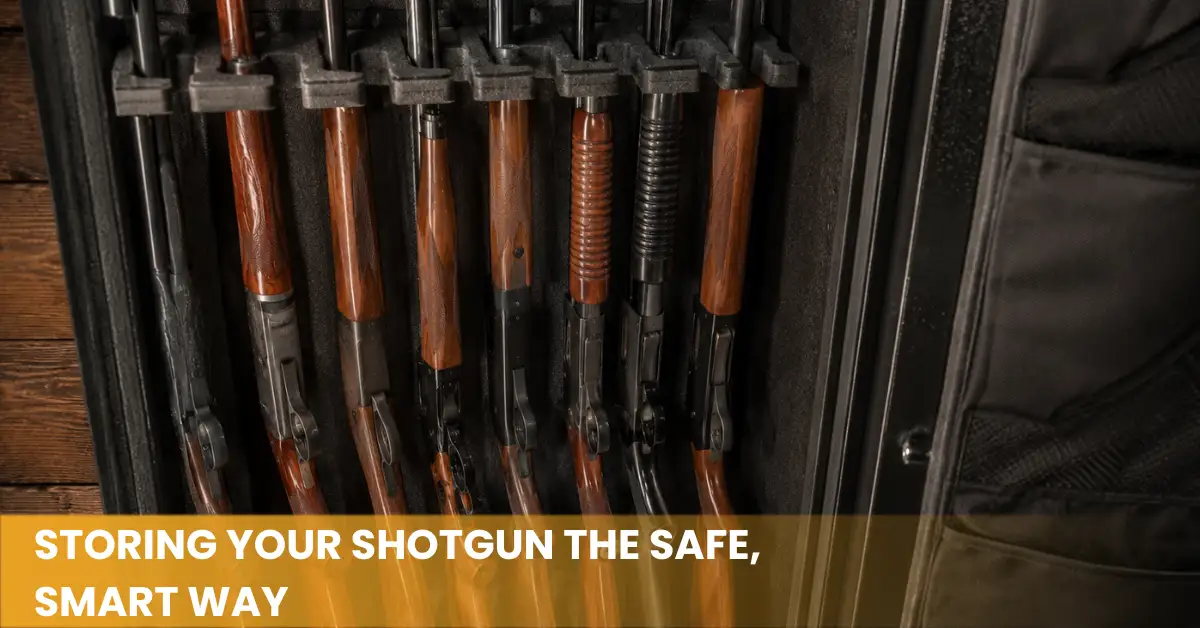
A shotgun in the home is a serious responsibility. It has to be secure from curious kids or untrained hands, but still accessible to you when seconds count. Our How to Store a Shotgun at Home Safely guide covers the best practices, including:
- Quick‑access safes: Biometric or push‑button safes that open fast but stay locked tight.
- Trigger and cable locks: Come with most new shotguns; good for supplemental security or long‑term storage.
- Unloaded storage for the long haul: If it’s going in the back of the closet for a season, keep the gun unloaded and the ammo separate.
- Know your local laws: Some places have specific storage rules. Don’t assume.
Storing your gun right isn’t just about following rules. It’s about peace of mind.
Chapter 15: Questions We Hear Every Day & Final Thoughts
1. What’s the best shotgun for a new buyer?
A Mossberg 500 or a Remington 870 pump in 12 gauge. They’re affordable, unkillable, and adaptable to any role.
2. 12 gauge or 20 gauge?
For most adults, 12 gauge is the answer. More ammo choices, more versatility, and you can always shoot lighter loads. If recoil or weight is a real concern, a 20-gauge is a fantastic choice. Read the full breakdown: 12 Gauge vs 20 Gauge.
3. Pump or semi‑auto?
The pump is more affordable and mechanically simpler. Semi‑auto is softer‑shooting and faster on follow‑ups. If your budget allows a solid gas or inertia gun, you’ll love it. If not, a good pump will serve you proudly. See our picks: Best Pump Shotguns Under $400 and Best Semi‑Auto Shotguns for Hunting.
4. What choke do I need?
Improved Cylinder for general hunting, Modified for all‑around work, Full for turkeys and long waterfowl shots. Our Shotgun Choke Selection Guide goes deep.
5. One gun for home and hunting?
Absolutely, as long as you get a combo or swap barrels. Many pumps and semi‑autos handle both roles with a quick barrel change.
6. How do I pattern my shotgun?
Shoot paper, count holes, adjust. See Chapter 9 and our full guide: How to Pattern a Shotgun for Hunting.
7. Best home defense shell?
00 buckshot is the standard recommendation. It delivers nine .33‑caliber pellets per shell, offering a balance of stopping power and reduced over‑penetration risk compared to slugs.
8. What shotgun for Georgia duck hunting?
A weather‑resistant semi‑auto with a 3″ or 3.5″ chamber. Our local guides have you covered: Best Shotguns for Duck Hunting in Georgia and Best Waterfowl Shotguns in Georgia 2026.
9. How should I store my shotgun?
In a quick‑access safe or with a trigger lock, unloaded when not in use. Read our Shotgun Safe Storage guide.
10. Can I buy a shotgun online?
Yes. Golden Brothers Co is a fully licensed FFL dealer. We ship your shotgun to a local FFL dealer near you, where you complete the background check and take possession. See Chapter 13.
Final Words from the Golden Brothers Team
Here’s the bottom line: a shotgun is one of the most useful, satisfying firearms you will ever own. Whether you spend 300 or 3,000, the gun that’s right for you is the one that fits your body, your purpose, and your life. Be honest about what you need, understand the basics, and then buy with confidence.
After that, the real fun starts. Pattern your gun. Train with it until mounting and cycling feel like muscle memory. Store it responsibly. And when you bag your first limit of ducks, or smash your first 25‑straight on the clays course, or simply know with absolute certainty that your family is protected, you’ll be glad you did it right.
We’re here to help, just like we’ve been since 1909. If you’ve got questions, call us at (229) 226‑9150, drop by the shop in Thomasville, or browse our full inventory online.
Ready to find your shotgun?
This guide is part of the Golden Brothers Co Knowledge Hub. Explore our full collection of firearm buying guides and good‑old‑fashioned know‑how at guides.