
Most people who walk into a gun store, or browse online for ammo, have asked themselves this question at some point. Maybe it was during the COVID shortages of 2020 when shelves went bare overnight. Maybe it was after a local weather emergency when supply chains locked up for weeks. Or maybe you just realized one afternoon that the only box of 9mm in your house had 47 rounds left in it and nothing behind it.
Whatever brought you here, the honest answer is this: there’s no magic number that applies to everyone. But there are real, practical frameworks that help you figure out the right number for you, based on how you train, what you carry, and what you’re trying to be prepared for. This guide lays all of it out without the extreme prepper fantasy math and without underselling what responsible preparedness actually looks like.
Why Stockpiling Ammo Makes Sense Even If You’re Not a Prepper
Let’s be direct about something upfront: stockpiling ammo isn’t just a prepper thing. It’s what any responsible, consistent shooter does.
Think about it practically. Ammo prices fluctuate with supply chain disruptions, elections, tariff changes, and manufacturing capacity. The 9mm shortage of 2020 to 2022 wasn’t a conspiracy, it was demand outstripping supply by a factor nobody anticipated. People who had six months of ammo on hand kept training. People who didn’t were either paying three times the normal price or sitting on the sideline entirely.
Beyond availability and price, there’s the training argument. Every experienced shooter knows that you can’t maintain proficiency without consistent trigger time. Consistent trigger time requires consistent ammo supply. If your training schedule is subject to whether the store down the road happens to have your caliber in stock that week, your skills are subject to the same variability.
There’s also the plain-and-simple self-defense argument. If your carry gun or home defense firearm ever gets used in a real defensive situation, a police investigation may seize that firearm and its associated magazines and ammunition for evidence, sometimes for months. Having a reserve means you can reload your home defense setup and stay protected while that process plays out.
None of this is alarmist. It’s just practical planning that any thoughtful gun owner should do.
The Three-Bucket System — How to Think About Your Ammo
Before we get into specific numbers, here’s the framework that makes the most sense for practical stockpiling. Think of your ammo in three separate categories:
Bucket 1 : Training Ammo
This is what you shoot at the range, in classes, at matches, or during dry-fire practice sessions that transition to live fire. It gets consumed and replenished on a rolling basis. You should always be burning through it and replacing it. FMJ, steel-case plinking ammo, or range-grade brass-case rounds all live here.
Bucket 2 : Ready Ammo
This is what’s loaded right now. Loaded magazines staged in your home defense setup, the rounds in your carry gun, the shells in your bedside shotgun. This bucket should always be full. It doesn’t get consumed in training, only in use or periodic rotation.
Bucket 3 : Reserve Ammo
This is your buffer against the world going sideways. Supply chain disruption, price spikes, shortages, or genuine emergency situations. You don’t touch this unless one of those things actually happens, or unless you need to rotate out older stock and replace it with fresh.
Most shooters only think about Bucket 1. Building all three is what makes an actual stockpile.
Real Numbers — How Much Ammo Should You Actually Have?
Here’s where most guides either go too conservative (telling you 200 rounds is plenty) or too extreme (arguing you need 50,000 rounds before you can sleep at night). The truth is somewhere in the middle, and it varies by the role the firearm plays in your life.
Handgun Ammo — Your Carry Gun or Home Defense Pistol
The handgun is where most American gun owners should focus their stockpile attention first, because it’s typically the most-used firearm for both carry and home defense.
Minimum functional stockpile (casual shooter, occasional range trips):
- 500 rounds of practice/range ammo
- 100–200 rounds of quality defensive hollow points
- 2–3 loaded magazines staged for home defense
Practical stockpile (regular shooter, monthly range sessions):
- 1,000–2,000 rounds of range ammo
- 200–500 rounds of defensive hollow points
- 4–6 loaded magazines staged and ready
Serious stockpile (frequent shooter, takes training classes, wants genuine reserve):
- 3,000–5,000 rounds of range ammo
- 500+ rounds of defensive hollow points
- 6–10 loaded magazines ready
For most people reading this, the practical stockpile level is a reasonable and achievable goal. At that level you can train consistently for several months without buying anything, maintain a proper defensive ready supply, and have a buffer if shelves go empty.
The caliber matters here too. If you’re running 9mm Luger which the majority of American handgun owners do, you have the advantage of the most available and most affordable centerfire handgun cartridge on the market. Stockpiling 9mm is significantly easier on the budget than most other calibers. If you’re carrying .40 S&W or 10mm Auto, the cost per round is higher and availability can be more limited, which actually makes stockpiling more important, not less, since those calibers are harder to find in a pinch.
Revolver Calibers — .357 Magnum and .38 Special
Revolvers deserve their own section because a lot of home defenders, concealed carry holders, and rural gun owners run wheelguns as their primary or backup firearm, and they sometimes get left out of stockpile conversations dominated by semi-auto thinking.
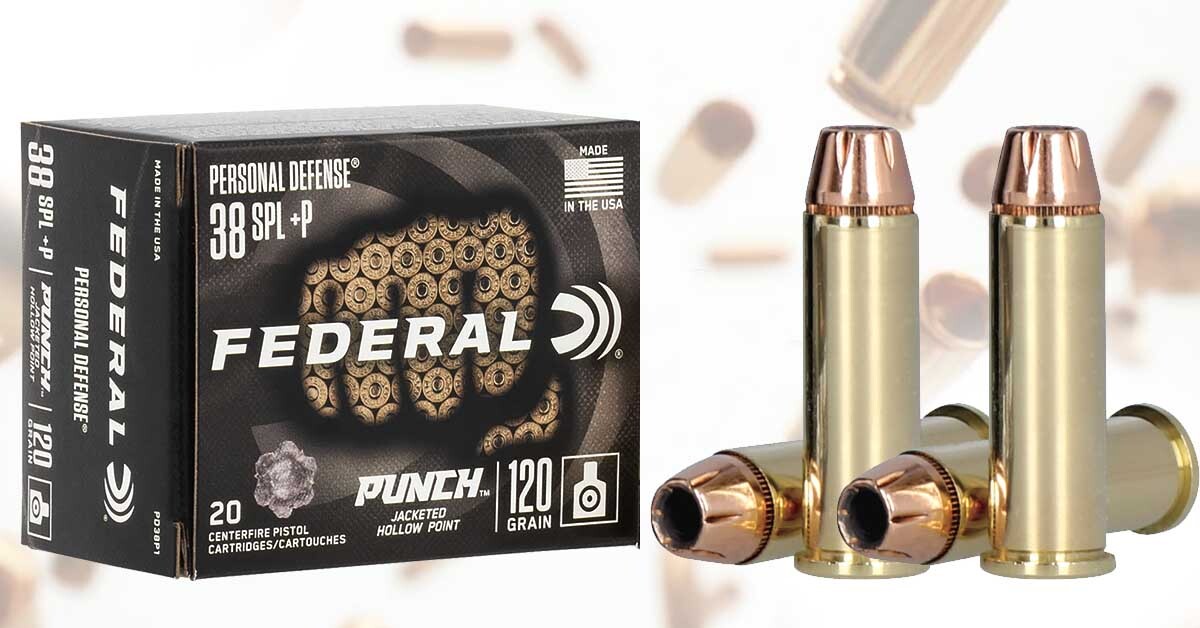
The good news: revolver calibers store incredibly well, and the .357 Magnum and .38 Special share a physical compatibility that gives revolver owners a major advantage. A .357 Magnum revolver shoots both cartridges, meaning your stockpile effectively covers two scenarios. Use .38 Special for training and range work where the reduced recoil keeps your practice sessions productive. Keep .357 Magnum hollow points in your defensive and reserve supply for full-power performance when it counts.
For a .357/.38 revolver owner, a sensible stockpile looks like:
- 500–1,000 rounds of .38 Special for practice
- 200–300 rounds of .357 Magnum defensive loads
- 6 loaded speed loaders or speed strips staged for home defense
The .357 Magnum is one of the most effective defensive cartridges ever produced, and properly stockpiled, a revolver owner running this combination is extremely well-equipped.
Rifle Ammo — AR-15s, Hunting Rifles, and Everything Between
For 5.56/.223 AR-platform rifles, the stockpile math runs higher because training volume tends to be higher and the defensive scenarios that justify a rifle (home defense in rural areas, vehicle defense, longer-range situations) require more available rounds.
Practical stockpile for a 5.56 shooter:
- 1,000–2,000 rounds of FMJ training ammo
- 10 loaded magazines (approximately 300 rounds)
- 2,000–3,000 rounds in reserve storage
For hunting rifles, the math is simpler. You’re not burning through rounds at high volume. A hunting rifle stockpile of 200–500 rounds of your primary hunting load, plus 50–100 rounds of practice ammo at the same bullet weight, is a reasonable goal for most hunters.
Shotgun Ammo — Home Defense and Hunting
Shotgun shells take up more physical space than handgun or rifle ammo, which creates a practical storage consideration. But the defensive and hunting versatility of a 12-gauge justifies the space.
For a home defense shotgun:
- 25–50 rounds of 00 buckshot in ready supply (staged or in bandoliers)
- 100–200 rounds of 00 buckshot and slugs combined in reserve
- Birdshot for practice, at least 100 rounds to keep your shotgunning skills sharp
How Storage Conditions Affect Your Stockpile Size
The practical limit on your ammo stockpile isn’t just budget, it’s often storage. Modern ammunition, properly stored, has a functional shelf life that typically exceeds 10 years and in many documented cases extends well beyond that. But “properly stored” carries specific meaning.
Temperature and humidity are the enemies. Extreme heat accelerates primer degradation. High humidity promotes corrosion on brass and can affect powder performance over time. The ideal storage environment is cool, dry, and stable, not a garage in South Georgia that hits 100 degrees in July and 30 percent humidity in August. A climate-controlled interior space is far better.
Practical storage tips that actually work:
- Store in military-style ammo cans with rubber seals and silica gel desiccant packs inside. Replace the silica packs annually or whenever they’ve absorbed their capacity.
- Label every can clearly, caliber, round count, date stored, and ammo type.
- Store off the ground on shelves. Concrete floors can transmit temperature fluctuations and moisture.
- Practice FIFO, first in, first out. Shoot your oldest stock and replace it with fresh rounds. This keeps your entire supply in rotation rather than aging in the back of a dark closet.
- Keep defensive hollow points in sealed factory boxes until needed. Don’t store them loose in a can mixed with range ammo.
Here’s something experienced stockpilers know: the hardest part isn’t buying the ammo. It’s having a system. People with 10,000 rounds stored in organized, labeled, dated ammo cans are more prepared than the person with 20,000 rounds loose in random bags on a garage shelf. Organization beats quantity.
Caliber Priority — What to Stockpile First
If you’re starting from scratch or rebuilding after a period of running low, here’s the order of priority most experienced shooters recommend:
Step 1 : Primary Carry/Defense Caliber First
Whatever is in your most important defensive firearm goes to the top of the list. If you carry 9mm every day, that’s where your first stockpiling dollars go. Get to 1,000 rounds before you spend money on anything else.
Step 2 : Home Defense Platform Second
If your home defense setup is different from your carry gun, a shotgun, a rifle, a different handgun, stockpile that platform next. Get your Ready Ammo and a basic Reserve built for it.
Step 3 : Training Ammo for Both
Once your defensive platforms have a real reserve, shift focus to building training ammo so you can actually practice without depleting your reserve.
Step 4 : Secondary Firearms and Hunting Calibers
Backup guns, hunting rifles, rimfire practice platforms, these come last because they’re not your first line of defense.
The temptation is to buy a little of everything. Resist it. Depth in your primary calibers beats breadth across 12 calibers.
The Local Advantage — Why Buying In Person Still Matters
Here’s something the big-box online retailers don’t tell you: when supply chains get stressed, the places that get inventory fastest are often local dealers with established distributor relationships. During the height of the 2020–2022 shortage, many local gun stores were getting allocations of 9mm and .380 that never made it onto the major online platforms.
At Golden Brothers Co in Thomasville, Georgia, that local relationship matters. Whether you’re walking in to pick up a few boxes before a range trip or looking to build a meaningful reserve across multiple calibers, the full ammunition inventory covers the calibers that most shooters in South Georgia and North Florida actually carry and hunt with. You can order online and have it shipped, or come in and walk out same day, which is sometimes exactly what you need when you’re building a stockpile and don’t want to wait.
There’s something to be said for buying your ammo from people who shoot the same guns you do, live in the same region you do, and understand what “practical preparedness” looks like for someone who isn’t a military contractor, just a responsible gun owner trying to stay ready.
Common Mistakes People Make When Stockpiling Ammo
Buying too many calibers at once.
Having 200 rounds each of seven different calibers doesn’t protect you in any meaningful way. Focus depth over breadth.
Storing in the wrong environment.
A hot garage or a damp basement are both poor choices. Temperature-stable interior storage with desiccant protection is the right answer.
Never shooting the stockpile.
Your reserve ammo should be rotating, not sitting untouched for years. Shoot older stock, replace with fresh, repeat. This keeps you trained and keeps your ammo fresh.
Ignoring hollow point rotation.
Defensive hollow points in a carry gun should be replaced every 6–12 months regardless of condition. Repeated chambering and extraction cycles can affect the round even when no visible damage exists.
Waiting for a sale to start.
Ammo stockpiling done reactively, panic-buying during a shortage at inflated prices, is the worst possible approach. Build gradually during normal supply periods and you’ll never be in that position.
Not having a plan.
The person with 5,000 organized rounds and a clear system is better prepared than the person with 15,000 rounds stored in random boxes with no idea what’s where.
Quick Reference — Minimum Stockpile Goals by Firearm Type
| Firearm Type | Minimum | Practical | Serious Reserve |
|---|---|---|---|
| Carry Handgun (9mm, .40, 10mm) | 500 rds | 2,000 rds | 5,000 rds |
| Revolver (.38 Spl / .357 Mag) | 300 rds | 1,000 rds | 2,500 rds |
| Home Defense Rifle (5.56/.223) | 500 rds | 2,000 rds | 5,000 rds |
| Hunting Rifle | 100 rds | 300 rds | 500 rds |
| Home Defense Shotgun (12ga) | 50 rds | 150 rds | 500 rds |
| .22 LR (practice/small game) | 500 rds | 2,000 rds | 5,000 rds |
These numbers are per shooter. Multiply by the number of adults in your household running the same platforms.
Frequently Asked Questions
How much ammo is considered a stockpile?
Most experienced shooters consider anything beyond a single range session’s worth of ammo, roughly 200–300 rounds per firearm, to be the beginning of a functional stockpile. A meaningful stockpile starts at 1,000 rounds for your primary caliber and builds from there based on your training frequency and preparedness goals.
Is 1,000 rounds of 9mm enough?
For most shooters, 1,000 rounds of 9mm is a solid minimum baseline. It covers several months of regular training without replenishment, gives you a defensive reserve, and provides a buffer if 9mm becomes temporarily unavailable. Shooters who train frequently or take classes should work toward 2,000 to 3,000 rounds.
How long does stockpiled ammo last in storage?
Modern commercial ammunition, stored in a cool, dry environment with desiccant protection, typically maintains reliable function for 10 years or more. Military surplus ammo stored under ideal conditions has tested functional at 50+ years. The primary enemies are heat, humidity, and physical damage. Proper ammo can storage extends shelf life significantly.
Is it legal to stockpile ammo?
In most U.S. states, there is no limit on the quantity of ammunition a private citizen can legally possess. Georgia and Florida impose no ammo quantity restrictions on private citizens. Always verify current state and local regulations, as laws can change.
What ammo should I prioritize for home defense stockpiling?
For handguns, quality hollow point ammunition in your primary defensive caliber is the priority. For a 9mm home defense pistol, premium hollow points from established manufacturers provide the expansion and energy transfer needed for effective terminal performance. For shotguns, 00 buckshot is the standard home defense choice. For rifles, quality soft-point or bonded hunting ammunition performs better in defensive scenarios than FMJ.
Should I stockpile different ammo for practice versus defense?
Yes, absolutely. Practice ammo, typically FMJ or steel-case rounds, is significantly cheaper and allows you to train at volume without depleting your defensive hollow points. Keep these categories separate, clearly labeled, and never confuse them in a defensive setup. Your carry gun should always be loaded with quality defensive ammunition, not range FMJ.
Where can I buy ammo in Thomasville, GA?
Golden Brothers Co in Thomasville, Georgia carries a full selection of handgun, rifle, and shotgun ammunition in stock for walk-in purchase. You can also browse and order online at shopgoldenbrothers.com/ammo for shipping. The store serves customers across South Georgia and North Florida.
Building a practical ammo stockpile isn’t about fear, it’s about the same thoughtful preparedness that makes you check the spare tire before a road trip. Start with your primary carry or home defense caliber, build your three buckets, store it right, and rotate it consistently. The full ammo selection at Golden Brothers Co has you covered across all the calibers that matter most, available in store in Thomasville or shipped directly to your door.