
Let me be real with you for a second.
Choosing a concealed carry gun isn’t like picking a new pair of boots. You’re going to carry this thing against your body, probably every single day, in Georgia heat, through crowded parking lots, on long road trips, and in situations you hope never actually happen. It has to disappear on your hip and perform flawlessly when it counts.
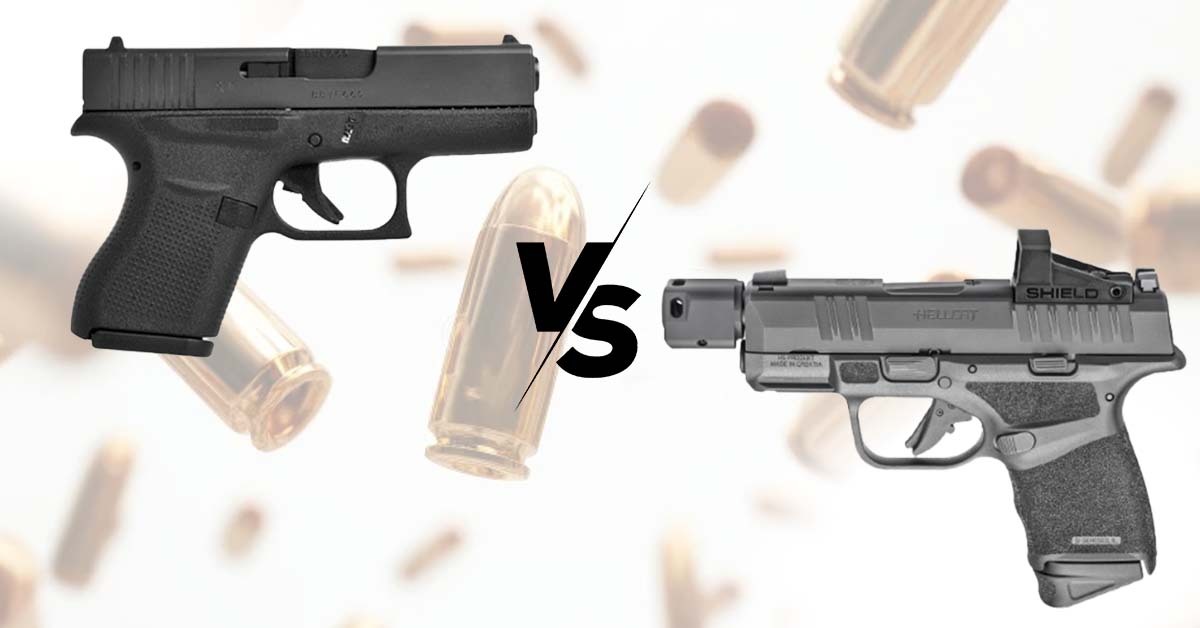
Two guns keep showing up in that conversation right now: the Springfield Armory Hellcat Pro and the Glock 43X. Both are slender, striker-fired, chambered in 9mm, and built for one purpose, staying hidden until you need them.
But they’re not the same gun. Not even close, once you dig in.
I’ve put both of these through their paces, and this comparison is going to give you what the spec sheets don’t, real talk about how they carry, how they shoot, and which one fits your life better.
Quick Specs Side-by-Side
| Feature | Springfield Hellcat Pro | Glock 43X |
|---|---|---|
| Caliber | 9mm Luger | 9mm Luger |
| Barrel Length | 3.7 in | 3.41 in |
| Overall Length | 6.6 in | 6.06 in |
| Height | 4.8 in | 5.04 in |
| Width | 1 in | 1.10 in |
| Weight (unloaded) | 21 oz | 18.7 oz |
| Capacity (standard) | 15+1 | 10+1 |
| Optics Cut | Yes (OSP) | No (base model) |
| MSRP (approx.) | ~$599 | ~$549 |
That capacity difference alone 15+1 vs 10+1 is the kind of number that changes how some people think about this choice entirely.
The Case for the Hellcat Pro
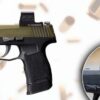
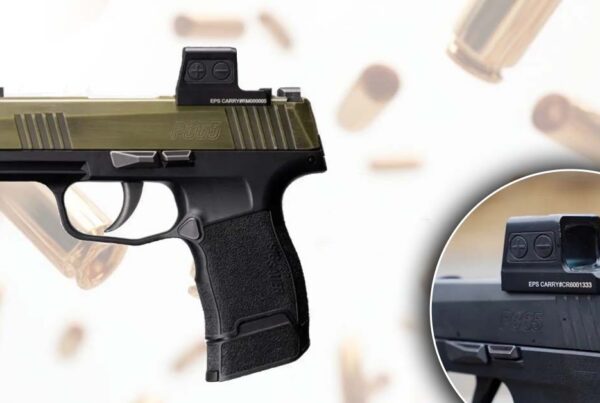
Springfield Armory built the Hellcat line specifically to punch above its weight class in the micro-compact category. The Hellcat Pro is the grown-up version a little longer grip, a longer barrel, and that jaw-dropping 15-round flush-fit magazine.
Here’s what makes it stand out:
Capacity that changes the math. Fifteen rounds of 9mm in a gun this slim is genuinely impressive engineering. For those who think hard about worst-case scenarios, that’s not a small thing. When you’re up against a realistic defensive situation, every round matters and the Hellcat Pro gives you more of them without asking you to carry a full-size pistol.
The trigger is a legitimate surprise. A lot of compact carry guns have mushy, long triggers that feel like they’re fighting you. The Hellcat Pro’s trigger is crisp. Reset is short. It’s one of the things people mention most when they pick one up for the first time.
Optics-ready from the factory. The OSP (Optical Sight Pistol) version ships with a pre-cut slide that accepts red dot sights directly. If you’re running a micro red dot, you’re not paying for an aftermarket milling job or a separate slide. That’s real money saved.
The grip texture is aggressive in a good way. Springfield calls it a “Adaptive Grip Texture” and it earns the name. Even in sweaty conditions, this gun doesn’t move in your hand. Some people find it a bit rough against bare skin under an IWB holster, but honestly, that’s a small price for control under stress.
The Case for the Glock 43X
Let me tell you something about the Glock 43X: it has no business being this good.
Glock took the slim single-stack frame of the G43 and grafted on the longer grip of the G48 to create something that most compact carry shooters just… immediately like. It’s one of those guns where you pick it up and your hand goes, oh, this is mine.
The slimness is real. At 1.10 inches wide (marginally wider than the Hellcat Pro), the 43X disappears under a t-shirt in a way that’s hard to argue with. It’s the thinnest double-stack-adjacent carry option Glock makes, and that thinness translates to all-day comfort in ways that matter on hour 10 of wearing it.
Reliability reputation that’s almost unfair. Look, Glock has been proving its reliability since the 1980s. Law enforcement agencies, military units, and regular people who carry for their lives trust Glocks not because of marketing but because the guns keep working. The 43X continues that tradition.
The aftermarket is massive. Trigger upgrades, grip modules, extended magazines, optic adapter plates, holsters, the Glock 43X ecosystem is enormous. If you want to tune a gun exactly to your preferences over time, very few platforms match what’s available for the 43X.
Smooth and shootable. The 43X doesn’t have the aggressive texturing of the Hellcat Pro. For some people, especially those doing appendix carry where the gun contacts skin, that smoothness is exactly what they want. It’s less grippy, but it’s comfortable enough that you’ll actually keep it on.
Real-World Carry Comfort: Where It Gets Honest
Both guns are designed for IWB (inside waistband) carry, and both do it well. But there are nuances worth knowing.
For appendix carry, the Glock 43X edges slightly ahead for most people because of that smoother frame and marginally lighter weight. When a gun is pointing at your femoral artery all day, you notice every ounce and every sharp corner.
For strong-side hip carry, the extra height of the Hellcat Pro can actually help, more grip to grab in a draw stroke, less printing concern when your shirt covers more of the gun.
For people new to concealed carry, the Glock 43X tends to be more forgiving to learn on. The trigger pull is a bit longer and heavier, which some instructors actually prefer for new carriers. The Hellcat Pro’s crisper trigger is excellent, but it demands more disciplined trigger discipline from the shooter.
If you’re shopping for your first carry handgun or adding to your collection, both of these belong on the short list.
Shooting Feel: At the Range
Neither of these is going to feel like shooting a full-size pistol. They’re compact guns, and felt recoil is what it is in 9mm subcompacts. That said, there are real differences.
The Hellcat Pro’s longer barrel and slightly heavier weight help tame muzzle flip. Follow-up shots are faster and flatter than you’d expect from a gun this size. That 3.7-inch barrel also adds velocity, not dramatically, but measurably.
The Glock 43X, being lighter, snaps back a bit more. It’s not punishing, 9mm from a gun this size never is but you’ll notice the difference in back-to-back range sessions. Shooter comfort varies widely depending on hand size and grip strength.
Both guns run reliably with quality 9mm Luger ammunition. For carry use, invest in quality hollow point defensive loads. For range practice, standard FMJ in bulk keeps your cost per round manageable. Make sure whatever ammo you carry, you’ve run a few hundred rounds of it through your gun before trusting your life to it.
Holster & Accessory Availability
This one isn’t even close: Glock 43X wins decisively.
Because the platform has been out longer and sells in massive numbers, the holster market for the 43X is enormous. Kydex IWB, OWB, appendix rigs, shoulder holsters, vehicle mounts, it’s all there, from budget options to custom shop work.
The Hellcat Pro is gaining ground fast, and quality holsters are widely available, but you’ll have more options with the 43X if you like to try different carry positions or upgrade setups over time.
The Optics Question
If you’re thinking about running a micro red dot, and more people are every year, especially for low-light defensive use, the Hellcat Pro OSP is the obvious choice.
The slide is already milled from the factory for direct mounting. That saves you $75–$150 on aftermarket milling and ensures a lower, more accurate mount.
The Glock 43X base model does not have an optics cut. There are aftermarket solutions (adapter plates, optic-ready slides), but they add cost and complexity. Glock does sell the 43X MOS version now, which addresses this, worth knowing if optics matter to you.
Pricing & Value
At street prices, you’re looking at $500–$600 for either gun, with the Hellcat Pro typically running $20–$50 more. For what you get — especially that 15-round capacity and factory optic cut, the Hellcat Pro arguably delivers more features per dollar.
That said, the Glock 43X holds its value exceptionally well. If you ever decide to sell or trade, Glock pistols have some of the strongest resale demand in the used market.
If you’re ready to add either of these to your firearms collection, it makes sense to buy from a licensed dealer who can help with the transfer process and answer questions specific to your state’s laws.
Mid-Article Take: Who Should Buy What
Here’s the honest breakdown, not the diplomatic one:
Buy the Hellcat Pro if:
- Capacity is your top priority
- You plan to run a red dot
- You shoot a lot and want a crisper trigger
- You want maximum features at a competitive price
Buy the Glock 43X if:
- You prioritize proven reliability above everything
- You want the deepest aftermarket support
- Comfort in appendix carry is your main concern
- You’re new to carrying and want a forgiving, well-documented platform
Both of these are excellent choices for everyday concealed carry. This isn’t a situation where one gun is objectively better, it’s a situation where the right gun depends on you.
Speaking of which, if you want to handle both before you decide, the team at Golden Brothers Co has been helping shooters find the right carry gun for over 116 years. They’re a licensed FFL dealer with a reputation built on honest advice, not commission-driven sales pressure.
Ammunition for Concealed Carry: Don’t Skip This Part
Whatever gun you choose, the ammunition decision is just as important as the hardware.
For defensive carry, you want a quality hollow point that expands reliably and controls penetration. Federal HST, Hornady Critical Defense, and Speer Gold Dot are the rounds that show up consistently in FBI ballistic testing and real-world performance data.
For range training, standard FMJ works fine and costs less. The key is to run at least 200 rounds of your carry ammo through your chosen gun before trusting it. Not because modern guns are unreliable, they’re not, but because you need to know how your specific gun feeds that specific load.
You can stock up on handgun ammo and find bulk 9mm Luger deals that make range practice affordable without burning through your carry supply.
One More Thing: The Legal Reality of Concealed Carry
This blog is about helping you pick the right gun, not about legal advice. But a quick reminder: concealed carry laws vary significantly by state. Before you carry either of these pistols, make sure you understand your state’s permit requirements, reciprocity agreements, and use-of-force laws.
The ATF and your state’s attorney general’s office are the authoritative sources for this information. The ATF’s official firearms guide is a good starting point for understanding federal rules that apply regardless of where you live.
Frequently Asked Questions
Q: Is the Hellcat Pro better than the Glock 43X for concealed carry?
A: It depends on your priorities. The Hellcat Pro wins on capacity (15+1 vs 10+1) and comes optics-ready from the factory. The Glock 43X wins on aftermarket support, platform longevity, and comfort for some carry positions. Neither is objectively “better”, the best one is the one you’ll actually carry consistently.
Q: How many rounds does the Hellcat Pro hold vs the Glock 43X?
A: The Springfield Hellcat Pro holds 15+1 rounds with the standard flush-fit magazine. The Glock 43X holds 10+1 with the standard magazine. Extended magazines are available for both, but the Hellcat Pro’s standard capacity advantage is significant.
Q: Is the Glock 43X reliable enough for concealed carry?
A: Yes, without reservation. The Glock 43X is one of the most proven concealed carry platforms on the market. Its reliability record across law enforcement, military, and civilian use is exceptional.
Q: Can I run a red dot on a Glock 43X?
A: The base Glock 43X does not have an optics cut. The Glock 43X MOS version does. Aftermarket optic adapter plates are also available. The Springfield Hellcat Pro OSP includes a factory optic cut on all models.
Q: What’s the best 9mm ammo for concealed carry?
A: Federal HST, Speer Gold Dot, and Hornady Critical Defense are consistently top performers in ballistic testing. All three are available in the standard 9mm Luger chambering that both the Hellcat Pro and Glock 43X use.
Q: Which is easier to conceal, the Hellcat Pro or Glock 43X?
A: Both are excellent for concealment. The Glock 43X is slightly lighter and a touch thinner, which some carriers prefer for all-day appendix carry. The Hellcat Pro is marginally taller but the difference in real-world concealment is minimal with a quality IWB holster.
Q: Do I need a permit to carry either of these guns?
A: This depends entirely on your state. Some states now have constitutional carry (no permit required), while others require a permit with training. Always check your state and local laws. The ATF’s firearms page covers federal requirements.
Q: Where can I buy a Hellcat Pro or Glock 43X online?
A: Both can be purchased online through licensed FFL dealers like Golden Brothers Co, which ships to any FFL dealer nationwide. You’ll complete the background check and transfer paperwork at your local FFL dealer when you pick it up.
Final Verdict
If I had to pick one for someone who’s never carried before and wants the most proven, well-supported platform available: Glock 43X.
If I had to pick one for an experienced shooter who wants maximum capacity, optics compatibility, and doesn’t mind the slightly newer platform: Hellcat Pro.
The honest truth? Both guns belong in the conversation for best everyday carry 9mm in 2025. Your hands, your carry style, and your priorities decide the winner not me, and not the spec sheet.
Handle both. Shoot both if you can. Then buy the one that felt right and carries the way your life demands.
And when you’re ready, Golden Brothers Co has handguns and handgun ammo, along with 116 years of expertise to back up every purchase.
This article is for educational purposes. Always follow federal, state, and local laws regarding firearm purchase, ownership, and carry. For legal guidance specific to your situation, consult a qualified attorney.