
Walk into any gun range in America today, and you’ll hear it mentioned within minutes. Browse online shooting forums, and it dominates the conversation. The 6.5 Creedmoor has become something of a phenomenon in the shooting world, and if you’re wondering what all the fuss is about, you’re in the right place.
This isn’t just another cartridge that came and went. Since Hornady introduced it back in 2007, the 6.5 Creedmoor has fundamentally changed how hunters and competitive shooters think about long-range performance. But here’s the thing, the hype is actually justified, and once you understand why, you’ll see what makes this cartridge genuinely special.
The Origin Story: Born from Competition
The 6.5 Creedmoor didn’t just appear out of thin air. Hornady’s senior ballistician Dave Emary partnered with Dennis DeMille from Creedmoor Sports with one clear goal: create a factory-loaded round that could compete at the highest levels of precision rifle shooting without requiring custom handloading.
Think about that for a second. Before the 6.5 Creedmoor, serious long-range competitors were stuck in a tough spot. They either had to invest countless hours developing custom loads, or they settled for factory ammunition that couldn’t quite deliver match-grade performance. The 6.5 Creedmoor changed that equation entirely.
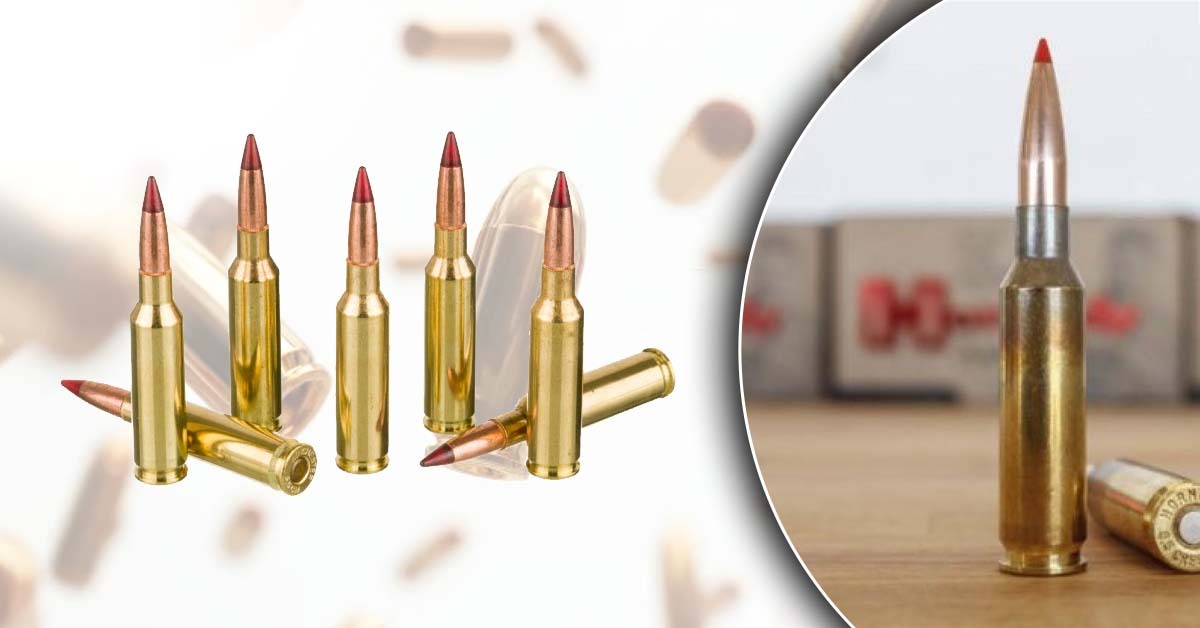
The cartridge is built on a modified .30 Thompson Center case, necked down to accept .264-inch diameter bullets. This design gives it something most other cartridges lack: the ability to fit in a short-action rifle while still achieving outstanding ballistic performance. That’s not a minor detail, it means lighter rifles, faster bolt manipulation, and better overall handling.
Why Shooters Actually Love It (Beyond the Hype)
Let’s cut through the marketing speak and talk about what really matters on the range and in the field.
Ballistic Performance That Actually Delivers
The 6.5 Creedmoor excels because of one fundamental principle: high ballistic coefficient bullets combined with sensible case capacity. In plain English, that means the bullets maintain their speed and resist wind drift better than most comparable cartridges.
A typical 140-grain 6.5 Creedmoor load leaves the muzzle around 2,700 feet per second. That’s not blisteringly fast, cartridges like the .270 Winchester or .300 Win Mag will beat it in raw velocity. But here’s where it gets interesting: at 500 yards, that 140-grain 6.5 Creedmoor bullet is still moving over 2,000 fps, and at 1,000 yards, it’s maintaining velocities that heavier, faster cartridges can’t match due to superior aerodynamics.
The ballistic coefficient of many 6.5 Creedmoor bullets hovers around .500 to .600, which is exceptional for this class of cartridge. What does that mean practically? Less drop, less wind drift, and more energy on target at extended ranges.
Recoil That Won’t Beat You Up
Here’s something that doesn’t get talked about enough: recoil matters way more than most shooters admit.
The 6.5 Creedmoor generates roughly 15-17 foot-pounds of recoil energy in a typical hunting rifle. Compare that to a .308 Winchester producing 20-22 ft-lbs, or a .30-06 pushing 25+ ft-lbs, and you start to see why new shooters and experienced marksmen alike gravitate toward it.
Lower recoil isn’t just about comfort, though that certainly matters. It’s about follow-through, accuracy, and the ability to spot your own shots through the scope. When you’re not getting hammered by recoil, you can actually watch your bullet impact downrange. That’s invaluable for both hunters and competitive shooters.
For anyone stepping into long-range shooting for the first time, this manageable recoil means you’ll develop better fundamentals faster. You won’t develop a flinch, you’ll shoot more accurately, and you’ll actually enjoy your range time instead of dreading it.
Factory Ammunition That Works
One of the Creedmoor’s biggest advantages is the sheer variety of quality factory ammunition available. Every major manufacturer produces multiple loads, from affordable practice ammunition to premium hunting rounds and match-grade competition loads.
Whether you’re looking for affordable rifle ammunition for regular range sessions or premium hunting loads for that once-in-a-lifetime elk hunt, you’ll find what you need without breaking the bank. And because the cartridge was designed from the ground up for consistency, even budget-friendly factory loads tend to shoot remarkably well.
Real-World Applications: Where the 6.5 Creedmoor Excels
Long-Range Target Shooting and Competition
This is where the 6.5 Creedmoor made its reputation. In Precision Rifle Series (PRS) competitions and F-Class matches, shooters regularly engage targets from 300 to 1,200 yards. The Creedmoor’s combination of flat trajectory, wind-bucking ability, and light recoil makes it ideal for these disciplines.
You can shoot it all day without fatigue, make quick follow-up shots, and still have enough accuracy to hit targets most shooters wouldn’t even attempt with other cartridges. It’s not uncommon to see competitors keeping their shots inside a 10-inch circle at 1,000 yards with the right rifle and ammunition.
Medium Game Hunting
Now here’s where things get interesting, and where some debate exists. The 6.5 Creedmoor has become incredibly popular for hunting deer, antelope, and similar-sized game. With proper bullet selection, think bonded or monolithic bullets designed for controlled expansion, it’s extremely effective on these animals out to reasonable hunting ranges.
The flat trajectory means less guessing about holdover, and the mild recoil helps ensure accurate shot placement. Many experienced hunters report clean, ethical kills with the Creedmoor, often at distances where other cartridges would struggle.
For whitetail deer up to around 400 yards, it’s hard to beat. The same goes for mule deer, antelope, and similar game. Some hunters even take it for elk and larger game, though that pushes the limits of what the cartridge was designed for. If you’re setting up a dedicated hunting rifle, pairing quality 6.5 Creedmoor ammunition with a well-built bolt-action hunting rifle creates a combination that’ll serve you for years.
What Makes It Better Than .308 Winchester?
This is the question everyone asks, and it’s worth addressing honestly.
The .308 Winchester has been the standard for decades. It’s served in military applications, law enforcement, hunting, and competition. So why would anyone choose the 6.5 Creedmoor instead?
Ballistic Advantage: At typical engagement ranges, the 6.5 Creedmoor maintains higher velocities and energy than .308 Winchester. A 140-grain 6.5 Creedmoor bullet has significantly better ballistic coefficient than even the best .308 offerings, which translates to less drop and drift at extended range.
Recoil: The Creedmoor produces noticeably less recoil, about 20-30% less than .308 in comparable rifles. For new shooters, smaller-framed shooters, or anyone shooting high-volume training sessions, this matters enormously.
Barrel Life: Here’s where the .308 wins. You’ll typically get 3,000-5,000 rounds of accurate barrel life from a 6.5 Creedmoor before accuracy degrades, while a .308 barrel might last 8,000-10,000 rounds. For most recreational shooters, this isn’t a dealbreaker, but competitive shooters who burn through thousands of rounds annually should factor this in.
Ammunition Availability: Both cartridges enjoy wide availability, though .308 still has a slight edge in some rural areas and internationally. That gap is closing rapidly as the Creedmoor gains popularity.
The honest answer? For long-range precision work and hunting medium game, the 6.5 Creedmoor holds clear advantages. The .308 still makes sense for certain applications, particularly where barrel life matters, or where ammunition sources might be limited, but for most modern shooters, the Creedmoor is the smarter choice.
Choosing the Right Rifle and Setup
If you’re convinced and ready to jump into the 6.5 Creedmoor world, here’s what you need to know about getting set up properly.
Rifle Selection
The beauty of the Creedmoor is that it works in short-action rifles, which tend to be lighter and handier than long-action designs. Popular choices include:
- Bolt-Action Rifles: The gold standard for accuracy. Look for models with 22-26 inch barrels and a 1:8 twist rate, which stabilizes the full range of bullet weights from 120 to 147 grains.
- AR-10 Platform: For those who prefer semi-automatic capability, the Creedmoor works beautifully in AR-10 style rifles. Just understand that you’ll sacrifice a bit of inherent accuracy compared to a quality bolt gun.
When browsing available firearms, pay attention to barrel length. A 24-inch barrel is optimal for squeezing out maximum velocity, but a 20-22 inch barrel makes a better all-around hunting rifle if you’re navigating dense timber or don’t want to lug around extra weight.
Optics Matter
Don’t cheap out on glass. The 6.5 Creedmoor is capable of precision at distances where low-quality optics become a handicap. A good variable power scope, something in the 3-15x or 4-20x range, will serve you well for both hunting and target work.
Make sure your scope has enough adjustment range to dial for distance. Many shooters run out of elevation adjustment before reaching the Creedmoor’s maximum effective range, which defeats the whole purpose of the cartridge’s long-range capability.
Ammunition Selection Strategy
Not all 6.5 Creedmoor ammunition is created equal, and choosing the right load for your application makes a significant difference.
For Target Shooting: Look for match-grade ammunition with high ballistic coefficient bullets. The 140-147 grain range tends to perform best. Hornady ELD Match, Federal Gold Medal Sierra MatchKing, and similar offerings deliver consistent, predictable performance.
For Hunting: Choose bullets designed to expand reliably at the velocities you’ll be shooting. Bonded bullets like Federal Fusion, or monolithic options like Barnes TTSX, ensure good penetration and ethical kills. The 129-143 grain range works well for deer-sized game.
For Practice: If you’re burning through a lot of rounds developing skills, bulk ammunition makes sense. Even budget 6.5 Creedmoor loads typically shoot acceptably well for practice inside 300 yards. Stock up when you find good deals on bulk rifle ammunition, as consistent practice is what builds real skill.
The Learning Curve and Practical Considerations
Let’s be real about a few things that new 6.5 Creedmoor shooters should understand.
It’s Not Magic
Despite what the internet might tell you, the 6.5 Creedmoor won’t turn you into a long-range sniper overnight. It’s an excellent cartridge, but fundamentals still matter. Proper shooting technique, understanding your equipment, and consistent practice determine your results more than cartridge choice ever will.
Barrel Maintenance
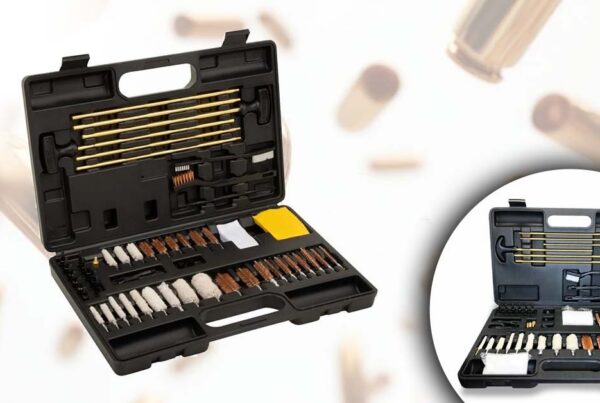
The 6.5 Creedmoor runs at relatively high pressure, and copper fouling builds up faster than some cartridges. Develop a regular cleaning routine every 50-100 rounds is a good starting point, and your barrel will maintain accuracy longer.
Handloading Considerations
While factory ammunition is excellent, many shooters eventually explore handloading to further optimize performance. The Creedmoor rewards careful load development, and finding your rifle’s preferred bullet and powder combination can shrink groups noticeably.
If you’re not into handloading, don’t worry. The factory ammunition available today is so good that most shooters will never feel limited by it.
Common Misconceptions Debunked
“It’s just a fad”, Initially, some dismissed the 6.5 Creedmoor as marketing hype. Nearly two decades later, it’s clear this cartridge has staying power. Military and law enforcement agencies worldwide have adopted it, and it continues dominating long-range competition.
“It’s not powerful enough for big game”, With proper bullets and shot placement, the 6.5 Creedmoor is adequate for elk and similar-sized game, though it’s not the ideal choice. For deer and antelope, it’s more than sufficient. Bullet performance matters more than raw power.
“The .260 Remington is basically the same thing”, Ballistically, they’re similar, but the 6.5 Creedmoor’s shorter overall length allows it to fit in short-action magazines while seating long, high-BC bullets properly. The .260 often requires single-loading these bullets. That practical difference matters.
Making Your Decision
So should you buy into the 6.5 Creedmoor?
If you’re interested in long-range shooting, want a capable hunting cartridge with mild recoil, or need something that performs well in both target and field applications, the answer is almost certainly yes. The ammunition is widely available and reasonably priced, rifles are plentiful across all price ranges, and the performance genuinely lives up to the reputation.
For new shooters especially, it’s hard to find a better starting point. The manageable recoil won’t teach you bad habits, the flat trajectory is forgiving of range estimation errors, and you can grow into the cartridge’s capabilities over time.
If you’re ready to experience what all the excitement is about, start by trying some quality factory ammunition at your local range. Once you see what it can do, you’ll understand why so many shooters have made the switch.
Frequently Asked Questions
Why does everyone like the 6.5 Creedmoor, and what makes it better than .308?
The 6.5 Creedmoor’s popularity comes down to superior long-range ballistics with noticeably less recoil than .308 Winchester. Its high ballistic coefficient bullets resist wind drift better and maintain velocity longer, meaning less drop and more energy at extended distances. The reduced recoil (20-30% less than .308) lets shooters stay on target better and shoot more accurately. While .308 offers longer barrel life and slightly better ammunition availability, the Creedmoor delivers better precision at distance with less punishment to the shooter — advantages that matter for both competition and hunting.
Why is 6.5 Creedmoor recommended for new shooters, and how does it perform in hunting vs. target practice?
The 6.5 Creedmoor excels for beginners because its mild recoil prevents flinching and helps develop proper shooting fundamentals. New shooters can practice longer without fatigue and typically progress faster than with harder-recoiling cartridges.
For target practice, it dominates long-range competitions with flat trajectory and wind-bucking ability that makes hitting targets at 600-1,000 yards achievable for intermediate shooters. The wide availability of affordable, accurate factory ammunition means you can practice extensively without breaking the bank.
For hunting, it’s highly effective on medium game like deer and antelope out to 400+ yards with proper bullet selection. The flat trajectory simplifies range estimation, and the accuracy ensures ethical shot placement. While some hunters successfully use it on elk and larger game with premium bullets, it’s most confident on deer-sized animals where it genuinely shines.
What barrel length and twist rate work best for 6.5 Creedmoor?
A 22-26 inch barrel with a 1:8 twist rate is optimal. The 24-inch length maximizes velocity for long-range work, while 20-22 inches offers better handling for hunting in timber or when weight matters. The 1:8 twist stabilizes the full bullet weight range from 120 to 147 grains, giving you flexibility in ammunition choice. Shorter barrels sacrifice some velocity (roughly 25 fps per inch lost), but for most hunting applications under 400 yards, this rarely matters practically.
Can you use 6.5 Creedmoor for elk hunting?
Yes, but with important caveats. The 6.5 Creedmoor can take elk ethically with premium bullets (bonded or monolithic designs) and precise shot placement on broadside vitals. However, it’s not the ideal choice — cartridges like .30-06 or .300 Win Mag offer more margin for error on larger, tougher game. If you’re hunting elk in thick timber where shots might not be perfect, or where follow-up shots on a moving animal are likely, consider more powerful options. For open-country elk with ideal shot opportunities, experienced hunters have success with 6.5 Creedmoor, but it requires discipline and shot restraint.
Is 6.5 Creedmoor more expensive than other rifle cartridges?
Pricing is competitive with other popular rifle cartridges. Factory ammunition typically runs $0.75-$2.50 per round depending on quality level — similar to .308 Winchester, .270 Winchester, or .30-06. Premium hunting loads cost more, while bulk target ammunition can be found at reasonable prices during normal market conditions. Because the cartridge is so popular, economies of scale actually keep prices fairly reasonable. For the performance delivered, particularly at long range, the cost per round represents excellent value.
What’s the effective range of 6.5 Creedmoor?
For target shooting, experienced shooters regularly engage targets beyond 1,000 yards. The cartridge remains supersonic past 1,200 yards with heavy, high-BC bullets, making precise hits achievable at these distances with proper equipment and skill.
For hunting, effective range depends on several factors: your skill level, rifle accuracy, shooting conditions, and game size. Competent shooters can ethically harvest deer-sized game to 500-600 yards, though most should limit themselves to 300-400 yards where wind reading and range estimation errors are more forgiving. Remember that “capable of hitting” and “capable of ethical hunting” are different standards. Always practice at the ranges you intend to hunt and understand your personal limitations.
How often should you clean a 6.5 Creedmoor barrel?
Clean your barrel every 50-100 rounds as a baseline, adjusting based on accuracy degradation. The Creedmoor’s relatively high operating pressure causes copper fouling to accumulate faster than some cartridges. Many match shooters clean after every range session to maintain peak accuracy, while hunters might stretch it to 100-150 rounds if accuracy remains acceptable.
Watch for signs that cleaning is needed: groups opening up, first shot out of a clean barrel hitting differently, or visible copper streaks when you run a patch. Quality ammunition tends to foul less than cheaper options. Regular cleaning protects your barrel investment and maintains the accuracy that makes the Creedmoor special.
Safety Reminder: Always follow proper firearms safety protocols when handling firearms and ammunition. For comprehensive information about firearms regulations and safety guidelines, visit the Bureau of Alcohol, Tobacco, Firearms and Explosives. Ensure you understand and comply with all federal, state, and local laws regarding firearms ownership, purchase, and use.
Ready to experience the 6.5 Creedmoor advantage? Explore our complete selection of rifles and rifle ammunition to find everything you need to get started. Whether you’re building your first long-range setup or adding to an existing collection, we’ve got you covered with quality firearms and ammunition at honest prices.