
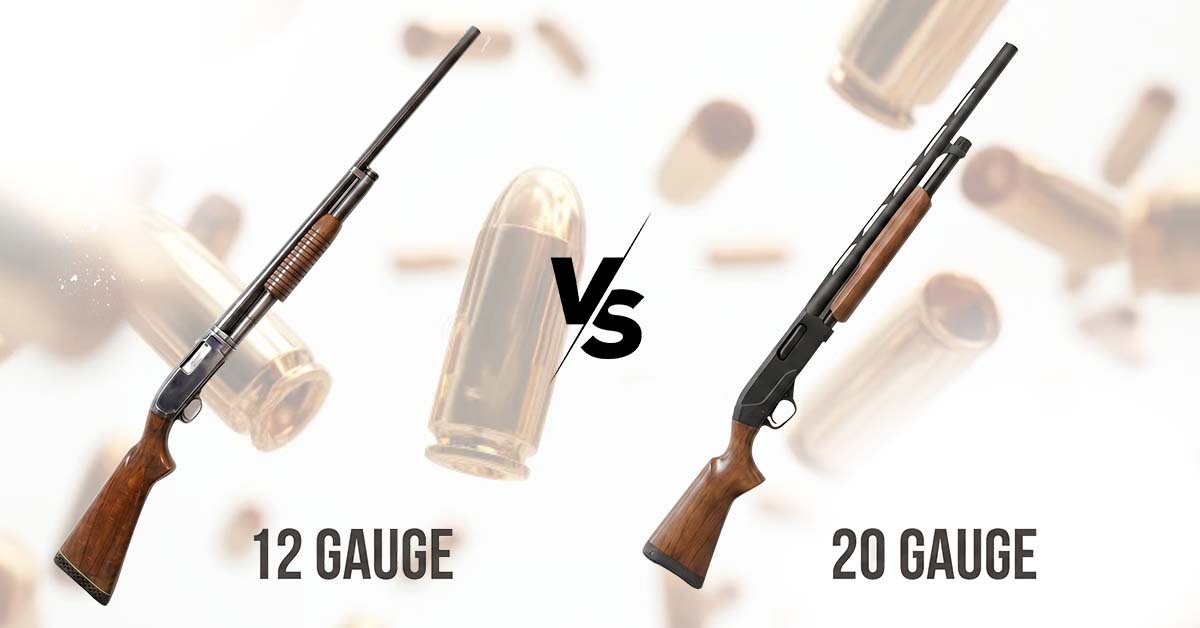
Choosing between a 12 gauge and 20 gauge shotgun is one of the most common dilemmas for both new and experienced shooters. While the decision might seem straightforward, the right choice depends on several factors including your intended use, physical build, shooting experience, and personal preferences.
Let’s break down everything you need to know to make an informed decision.
Understanding Shotgun Gauge: The Basics
Before diving into the comparison, it’s important to understand what “gauge” actually means. Unlike rifles and handcases where caliber indicates bullet diameter, shotgun gauge works inversely, the smaller the number, the larger the bore diameter.
A 12 gauge shotgun has a bore diameter of approximately .729 inches, while a 20 gauge measures around .615 inches. This difference might seem minimal on paper, but it creates significant distinctions in performance, recoil, and application.
Recoil and Shootability: A Critical Factor
One of the most significant differences between these two gauges is felt recoil.
12 Gauge Recoil The 12 gauge delivers noticeably more kick, especially with heavier loads. For experienced shooters or those with larger frames, this recoil is manageable and often barely noticeable after proper training. However, for smaller-statured individuals, youth shooters, or those sensitive to recoil, the 12 gauge can be punishing during extended shooting sessions.
20 Gauge Recoil The 20 gauge offers significantly less recoil, roughly 40-50% less than a 12 gauge with comparable loads. This makes it an excellent choice for beginners, younger shooters, or anyone who prioritizes comfort over maximum power. The reduced recoil also means faster follow-up shots and less shooter fatigue.
If you’re concerned about recoil management while still wanting quality performance, models like the Browning Citori 725 Sporting 20 Gauge Over Under are engineered to minimize felt recoil while maintaining exceptional accuracy.
Power and Effective Range
12 Gauge Power The 12 gauge is the undisputed king when it comes to raw power. It patterns more pellets on target, delivers greater energy downrange, and maintains effectiveness at longer distances. For waterfowl hunting, turkey hunting, or home defense where maximum stopping power is desired, the 12 gauge is the traditional go-to choice.
20 Gauge Power Don’t let the smaller size fool you, the 20 gauge is far from underpowered. Modern ammunition has significantly closed the gap, and for most hunting situations within 40 yards, a 20 gauge is more than adequate. It’s particularly effective for upland bird hunting, small game, and sporting clays.
For hunters who appreciate the lighter recoil without sacrificing too much power, the Akkar Churchill 220 20 Gauge offers reliable performance in a manageable platform.
Versatility and Ammunition Availability
12 Gauge Versatility The 12 gauge wins hands-down in terms of ammunition variety and availability. From light target loads to heavy magnum waterfowl rounds, specialty slugs, buckshot, and everything in between—if it exists in shotgun ammunition, it’s available in 12 gauge. This makes it the most versatile option for shooters who want one gun for multiple purposes.
20 Gauge Ammunition While the 20 gauge offers decent ammunition selection, it’s more limited than the 12 gauge. That said, all major ammunition manufacturers produce quality 20 gauge loads for hunting, target shooting, and home defense. The selection is sufficient for most shooters’ needs, though specialty loads may be harder to find.
At Golden Brothers Co, we understand that ammunition availability matters, which is why we help our customers understand what’s readily accessible for their chosen platform.
Weight and Portability
Gun Weight Considerations Generally, 20 gauge shotguns are lighter than their 12 gauge counterparts, typically by about 1-2 pounds. This might not sound like much, but when you’re hiking through rough terrain on a bird hunt or carrying your shotgun for hours, that weight difference becomes significant.
The lighter 20 gauge is easier to carry all day, quicker to mount, and less fatiguing for extended shooting sessions. For upland hunters who cover miles of terrain, this advantage is substantial.
Best Uses for Each Gauge
When to Choose a 12 Gauge:
- Waterfowl hunting (especially at longer ranges)
- Turkey hunting
- Home defense
- Deer hunting with slugs
- When maximum versatility is desired
- Competitive shooting disciplines requiring power
- When ammunition selection is a priority
When to Choose a 20 Gauge:
- Upland bird hunting (pheasant, quail, grouse)
- Sporting clays and recreational shooting
- Youth and smaller-framed shooters
- When reduced recoil is important
- Situations requiring all-day carrying
- Shooters sensitive to recoil
- Small game hunting
The Modern Reality: Technology Has Leveled the Field
Modern shotgun technology has dramatically narrowed the performance gap between these two gauges. Advanced ammunition, improved choke designs, and better shotgun manufacturing mean today’s 20 gauge shotguns are far more capable than those from previous generations.
Many professional upland bird hunters have switched to 20 gauge shotguns not because they can’t handle a 12 gauge, but because the 20 gauge allows them to shoot more comfortably and accurately throughout long days in the field.
Making Your Decision
Here are the key questions to ask yourself:
- What’s your primary intended use? If it’s waterfowl or turkey hunting, lean toward 12 gauge. For upland birds and recreational shooting, the 20 gauge excels.
- How sensitive are you to recoil? Be honest with yourself. Flinching from anticipated recoil destroys accuracy far more than the gauge difference affects performance.
- Do you need maximum versatility? If you want one shotgun for everything, the 12 gauge’s ammunition selection gives it the edge.
- Will you be carrying it for extended periods? The 20 gauge’s lighter weight becomes increasingly valuable as the day wears on.
- What’s your experience level? Beginners often progress faster with a 20 gauge because they can focus on technique rather than managing heavy recoil.
Final Thoughts
The “best” gauge doesn’t exist, only the best gauge for your specific needs and circumstances. Both the 12 gauge and 20 gauge are time-tested, effective shotgun platforms that have served millions of shooters well over decades.
Many experienced shooters eventually own both, using each for different applications. The 12 gauge might accompany them on waterfowl hunts, while the 20 gauge comes along for upland bird pursuits.
At Golden Brothers Co, we’re committed to helping you find the perfect shotgun for your needs, whether that’s a hard-hitting 12 gauge or a nimble 20 gauge. Our experienced team can guide you through the selection process and ensure you leave with a shotgun you’ll be confident with in the field.
Ready to find your ideal shotgun? Visit us at Golden Brothers Co and let our experts help you make the right choice. Because at the end of the day, the best shotgun is the one you’ll shoot well and enjoy using.