
Why 300 Blackout Is Having Its Moment
Let me be straight with you: when I first heard the phrase “300 Blackout,” I thought it sounded like a metal band name. Turns out, it’s one of the most practical and versatile rifle cartridges available to American shooters today, and more beginners are picking it up every year.
If you’re reading this, you’re probably at that crossroads. Maybe someone at the range mentioned it. Maybe you’re already an AR-15 owner looking at your next move and considering a 300 Blackout rifle for hunting, home defense, or suppressed shooting. Or maybe you just want a suppressor-ready setup that doesn’t require selling a kidney to get running.
Whatever brought you here, this guide is going to answer every real question you have about the 300 Blackout rifle platform, without drowning you in jargon. By the end, you’ll know exactly what this round is, whether it’s right for you, what rifle to look for, and how to buy one the legal, smart way.
What Is 300 Blackout?
The 300 AAC Blackout, officially written as .300 BLK, was developed by Advanced Armament Corporation and Remington Defense around 2010. The mission was specific: create a cartridge that performed well with a suppressor, in a short barrel, using the standard AR-15 / M4 lower receiver and existing 30-round magazines.
That last part matters. You don’t need a new lower, new mag, or a whole new rifle platform. Swap the upper, and your existing AR-15 shoots 300 Blackout. That’s a huge deal for anyone already invested in the AR ecosystem.
The round fires a .30 caliber bullet (same diameter as .308 Winchester) through a modified 5.56mm case. It was designed from the ground up to be efficient in short barrels, typically 9 to 16 inches, which is where most standard rifle calibers start losing performance fast.
300 Blackout vs. 5.56 NATO: Which Is Right for You?
This is probably the first comparison that came to mind. Here’s the honest breakdown:
Velocity and Range 5.56 NATO is faster and flatter-shooting at longer distances. If you’re punching paper at 300 yards or shooting prairie dogs across an open field, 5.56 wins on energy delivery at distance.
300 Blackout, however, was built for inside 300 yards, and it absolutely shines there. At those ranges, the heavier .30 caliber bullet hits harder, especially with subsonic loads.
Suppressor Performance This is where 300 Blackout has no real competition at the AR-15 price point. Subsonic 300 Blackout loads are some of the quietest suppressed rifle rounds you can shoot. The cartridge was literally engineered for this. Running 220-grain subsonic loads through a can turns your rifle into something that sounds more like a staple gun than a firearm.
Stopping Power Supersonic 300 Blackout loads push a 110-125 grain bullet faster than 2,000 feet per second. That’s meaningful terminal performance for hunting deer-sized game, hogs, and home defense situations, something 5.56 debates endlessly about.
Cost and Availability 5.56 wins here. It’s cheaper per round and available absolutely everywhere. 300 Blackout ammo has improved dramatically in availability over the past few years, but you’ll still pay more per trigger pull.
Verdict for Beginners: If you already own a 5.56 AR-15 and want to add suppressed shooting or hunting capability, a 300 Blackout upper is one of the smartest investments you can make. If you’re starting fresh and don’t own an AR at all, a dedicated 300 Blackout rifle is worth serious consideration for any role inside 300 yards.
Understanding 300 Blackout Ammo: Supersonic vs. Subsonic
This distinction is critical, and it’s one most beginners don’t fully understand until their first trip to the ammo counter.
Supersonic 300 Blackout
These loads push a lighter bullet, typically 110 to 125 grains, above the speed of sound (roughly 1,125 fps). They perform like a traditional rifle round: fast, flat, and with significant energy on target.
Supersonic loads are what you want for:
- Hunting deer, hogs, and similar game
- Home defense and general-purpose use
- Longer range work (up to 300 yards)
- When you’re shooting unsuppressed
Subsonic 300 Blackout
Subsonic loads use heavier bullets, usually 190 to 220 grains, traveling below the speed of sound. When paired with a suppressor, these rounds eliminate the supersonic “crack” entirely. What remains is just the mechanical sound of the action cycling.
Subsonic loads are ideal for:
- Suppressed shooting (this is their entire purpose)
- Indoor or CQB-style applications
- Situations where noise discipline matters
Important note for beginners: You can run both supersonic and subsonic ammo through the same 300 Blackout rifle without any modifications. The platform handles both. Just be careful: 300 Blackout ammunition will chamber in a 5.56 rifle, but firing it will destroy the gun and potentially injure you. Always double-check your barrel markings before loading.
For a solid selection of rifle ammo across calibers, check out the rifle ammo section at Golden Brothers Co, their stock covers hunting loads, range ammo, and specialty rounds.
What Makes a Good 300 Blackout Rifle for Beginners?
You don’t need the most expensive rifle on the market to have a great 300 Blackout experience. But there are a few things worth prioritizing.
Barrel Length
The sweet spot for 300 Blackout is between 9 and 16 inches. The cartridge burns most of its powder within the first 9 inches of the barrel, so longer barrels add weight without meaningful velocity gains.
- 9-10 inch barrels : Maximum suppressor performance, compact package. Usually requires an SBR tax stamp (see legal section below).
- 16 inch barrels : Legal as a standard rifle, no NFA paperwork needed. Still performs excellently with both supersonic and subsonic loads.
For most beginners, a 16-inch barrel keeps things simple and legal.
Gas System
300 Blackout relies on proper gas tuning to cycle reliably with both supersonic and subsonic ammo. Many quality rifles come with adjustable gas blocks, which let you tune the system for whatever ammo you’re running. This is especially useful if you’re planning to suppress.
Bolt Carrier Group
The BCG is the heart of your AR-platform reliability. Look for a properly staked gas key and high-pressure tested bolt. Don’t cheap out here, a quality BCG is the difference between a rifle that runs for tens of thousands of rounds and one that gives you headaches.
Suppressor Compatibility
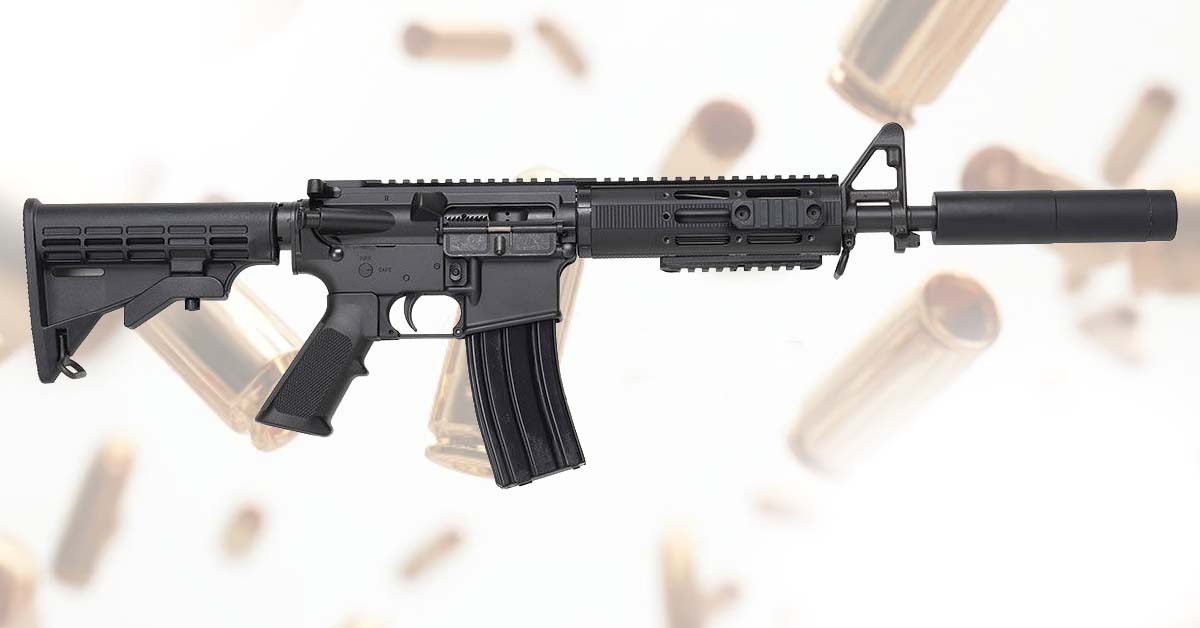
If you’re planning to suppress (and with 300 Blackout, why wouldn’t you consider it?), make sure the rifle has a threaded barrel, typically 5/8×24 for .30 caliber. Most quality 300 Blackout rifles come threaded from the factory.
Browse the rifles section at Golden Brothers Co to see current inventory, the team there can also advise on suppressor-ready configurations specifically.
Is 300 Blackout Good for Hunting?
Short answer: yes, and it’s genuinely excellent for the right applications.
Deer hunters in wooded, close-range environments have found 300 Blackout supersonic loads to be effective and legal in most states for whitetail and similar game. The .30 caliber diameter with a quality expanding bullet delivers ethical terminal performance at distances most whitetail are actually taken, which according to most hunting data is inside 100 yards.
Wild hog hunters love it. The heavier bullets handle the tougher hides and bone structure of hogs, and the suppressor-ready nature of the platform means you can drop one hog and still have the rest of the sounder standing nearby instead of spooked.
What 300 Blackout isn’t great for:
- Long-range deer hunting (over 200 yards, consider .308 or 6.5 Creedmoor)
- Elk or other large North American game (energy drops off too fast for ethical shots)
- Varmint shooting where flat trajectory and high velocity matter
If you’re a deer or hog hunter in the Southeast who shoots in tight timber, 300 Blackout deserves serious consideration.
Can You Suppress a 300 Blackout? (The Legal Reality)
Yes, and this is honestly one of the main reasons people come to 300 Blackout in the first place.
To legally own a suppressor in the United States, you’ll go through the NFA (National Firearms Act) process:
- Find a licensed NFA dealer (like Golden Brothers Co, they’re fully licensed and process Form 4 transfers regularly)
- Select your suppressor
- Complete ATF Form 4 and pay the $200 tax stamp
- Pass an enhanced background check
- Wait for ATF approval (currently several months)
- Take possession from your NFA dealer
It sounds like a lot, but it’s a well-worn path that thousands of Americans walk every year. A good NFA dealer will walk you through every step without confusion.
If you’re interested in a suppressor setup, reach out to the team at Golden Brothers Co directly, they’ve been handling NFA transfers for years and can help you navigate the process from suppressor selection through ATF approval.
Short-Barreled Rifles (SBR) and 300 Blackout
Many shooters want the optimal 300 Blackout configuration: a 9 or 10-inch barrel for maximum suppressor efficiency. But a rifle with a barrel under 16 inches is classified as a Short-Barreled Rifle (SBR) under the NFA, which means additional paperwork and a $200 tax stamp, just like a suppressor.
The process mirrors the suppressor approval process: ATF Form 4, background check, $200 stamp, wait for approval.
Alternatively, some shooters build a pistol configuration using a pistol brace, which can avoid SBR classification depending on ATF guidance at the time of purchase. Always verify current ATF regulations before making any NFA-related decision. Rules can and do change, and staying compliant is entirely your responsibility as the firearm owner.
For the most current information on NFA rules and what’s legal in your configuration, the official resource is the ATF’s NFA FAQ page.
300 Blackout Maintenance: What Beginners Should Know
One thing new shooters sometimes don’t anticipate is how much carbon buildup suppressed shooting generates. Running subsonic 300 Blackout through a suppressor produces significantly more fouling than unsuppressed supersonic fire.
A few practical tips:
Clean your bolt carrier group after every suppressed session. The carbon comes back thick and hard. Don’t let it sit.
Inspect your suppressor baffles periodically. Subsonic loads with slower powder burn rates can leave residue on baffles faster than supersonic rounds do.
Use quality lubricant. A well-lubricated BCG handles the carbon contamination that comes with suppressed shooting much more gracefully. Ask the team at the store what they recommend for your specific setup.
Check your gas system. If your rifle starts having cycling issues, the gas port or gas block may need attention, especially if you’ve switched between suppressed and unsuppressed use.
Regular maintenance isn’t glamorous, but it’s what keeps a $1,500 rifle running like the day you bought it a decade from now.
How to Buy a 300 Blackout Rifle Legally in the USA
Buying a rifle online is legal, straightforward, and honestly pretty convenient once you know how it works.
Here’s the basic process:
- Find your rifle : Browse online inventory and select the 300 Blackout rifle you want.
- Complete your order : Secure checkout, just like any e-commerce site.
- Identify your local FFL dealer : Every firearm must ship to a licensed Federal Firearms Licensee near you. They’ll handle the in-person transfer.
- Complete ATF Form 4473 : This is the standard background check form, completed in person at your FFL dealer.
- Pass the NICS background check : Usually instant approval for most buyers.
- Take your rifle home.
Your FFL dealer charges a transfer fee (typically $20–$50) for handling the transfer. That’s it. No hidden fees, no surprises.
Golden Brothers Co is a licensed FFL dealer that handles nationwide transfers to any FFL location in all 50 states. If you want to skip the guesswork and buy from people who actually know what they’re selling, that’s the kind of experience they’ve been building since 1909.
Quick Comparison: 300 Blackout vs Other Popular Rifle Calibers
| 300 Blackout | 5.56 NATO | .308 Win | 6.5 Creedmoor | |
|---|---|---|---|---|
| Effective Range | ~300 yards | ~500 yards | ~800+ yards | ~1,000+ yards |
| Suppressor Friendly | ★★★★★ | ★★★ | ★★ | ★★ |
| Hunting (deer) | ★★★★ | ★★ | ★★★★★ | ★★★★★ |
| Ammo Cost | $$ | $ | $$ | $$ |
| AR-15 Compatible | ✓ (swap upper) | ✓ | ✗ (AR-10) | ✗ (AR-10) |
| Subsonic Options | Excellent | Poor | Limited | Limited |
Who Should Actually Buy a 300 Blackout Rifle?
Let’s be specific, because “it’s great for everyone” isn’t useful advice.
300 Blackout is an excellent choice if:
- You want a suppressor-ready AR-platform rifle
- You hunt deer or hogs inside 200 yards
- You already own an AR-15 and want to expand capability with a new upper
- You prioritize compact, efficient setups over maximum range
- You want home defense capability with reduced overpenetration concerns (subsonic loads)
You might want something different if:
- Long-range precision shooting is your primary goal (look at 6.5 Creedmoor or .308)
- You’re on a very tight budget and can’t absorb the higher ammo cost
- You mainly need a training rifle for high-volume range days (5.56 is cheaper to feed)
There’s no bad rifle caliber for someone who buys it for the right reasons. Know what you need it to do, and 300 Blackout will probably exceed your expectations within those parameters.
Final Thoughts, Is 300 Blackout Worth It for Beginners?
If you came into this guide skeptical, I hope the answer is clearer now. 300 Blackout is one of the most thoughtfully designed modern rifle cartridges available. It wasn’t born out of marketing, it was engineered to solve real problems that military and law enforcement users needed solved, and those same solutions translate perfectly to civilian hunters, suppressor enthusiasts, and home defenders.
Is it for everyone? No. But for the right shooter, it’s hard to beat.
If you’re ready to take the next step, whether that’s exploring rifles, stocking up on ammo, or asking questions before you commit, the team at Golden Brothers Co has been doing this since 1909. They’re a licensed FFL and NFA dealer, and they know this stuff firsthand because they shoot it themselves.
Browse their rifle inventory and rifle ammo selection to see what’s currently in stock, and if you have questions, they’re actually reachable and actually knowledgeable. That combination is rarer than it should be.
Frequently Asked Questions: 300 Blackout for Beginners
Q: Can I use 5.56 and 300 Blackout in the same rifle?
No. They require different barrels. You can use the same lower receiver and magazines, but the upper, specifically the barrel, must be chambered for the correct cartridge. Always check your barrel markings.
Q: Do I need a suppressor to enjoy 300 Blackout?
Not at all. 300 Blackout performs well as a standard unsuppressed rifle, especially for hunting and home defense. The suppressor capability is a bonus, not a requirement.
Q: Is 300 Blackout legal in all 50 states?
The cartridge itself is legal federally. State laws on specific rifle features (barrel length, magazine capacity, etc.) vary. Check your state regulations before purchasing.
Q: What’s the best 300 Blackout barrel length for a beginner?
A 16-inch barrel is the best starting point. It requires no NFA paperwork, is legal as a standard rifle, and still provides excellent performance with both supersonic and subsonic loads.
Q: Can 300 Blackout be used for home defense?
Yes. Subsonic 300 Blackout loads are actually popular for home defense because the reduced velocity also reduces overpenetration compared to faster rifle rounds.
This guide is intended for educational purposes. Always comply with all applicable federal, state, and local laws when purchasing or possessing firearms and ammunition. For current ATF regulations, visit atf.gov.